

WALK ALONG THE BANKS OF THE HERAULT FROM AGDE TO GRAU D'AGDE
It's along the banks of the majestic Hérault river, which rises from Mont Aigoual in the heart of the Cévennes, that the charm takes effect... The rustle of the river, the contrast of colors between the...
It's along the banks of the majestic Hérault river, which rises from Mont Aigoual in the heart of the Cévennes, that the charm takes effect...
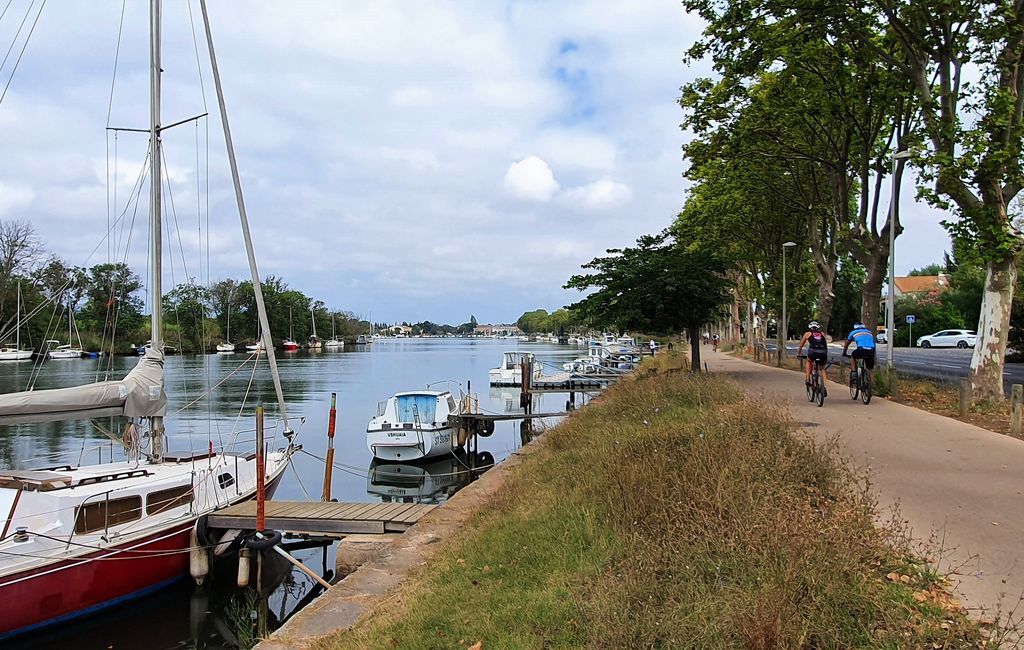
The rustle of the river, the contrast of colors between the river, the sky and the flamboyant Château Laurens, the Cathédrale Saint-Etienne built of lava stone from the ancient volcano of Mont Saint-Loup, the charm of the boats on the river, nothing leaves you indifferent...
Here you are in Agde, "Agathé Tyché" or "Good Fortune". This ancient Greek city was founded in the 5th century BC. This ancient Greek town, founded in the 5th century BC and a trading port until the 18th century, will surprise you with its unusual houses built of black volcanic stone.
To discover Le Grau d'Agde, a pretty fishing village, follow the Hérault river as it winds its way through the "beautiful blue sea" of the Mediterranean.


1
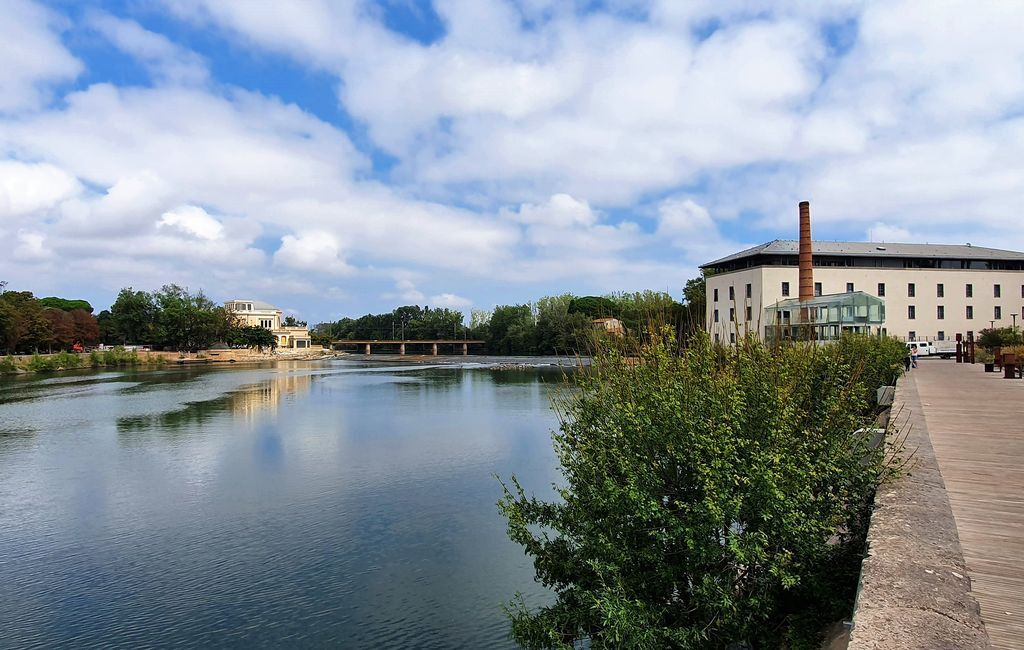
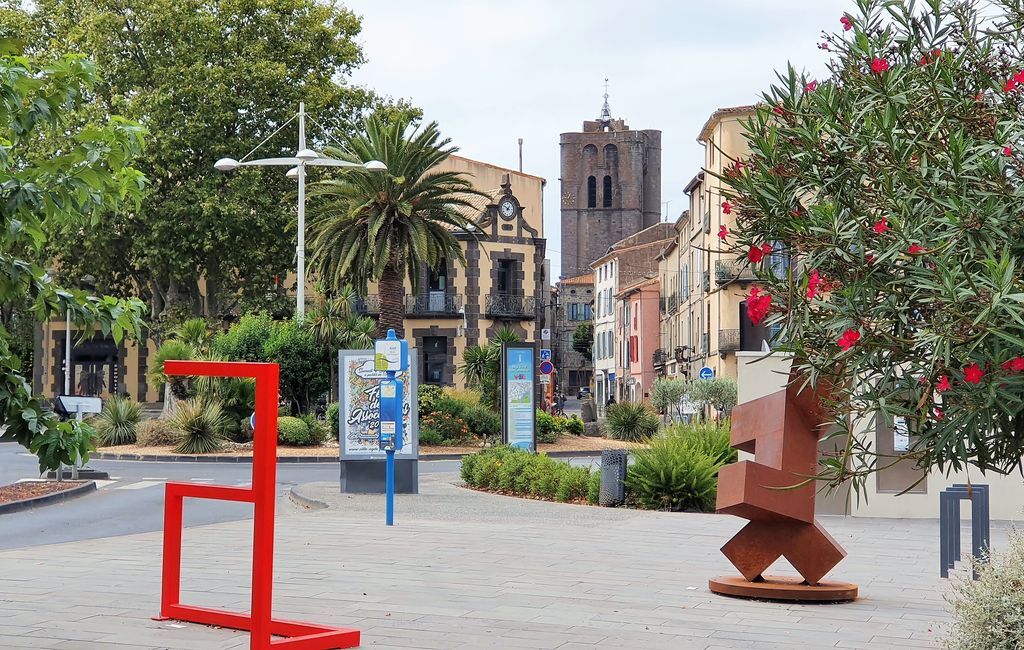
Starting point: parking de la Calade. At the start of the walk, note the Moulin des Evêques, a 12th-century building that was transformed into a hydraulic flour mill, rice mill, power plant and sardine cannery until 1979. Rehabilitated in 2008, the building still retains its chimney. From the promenade, on the other side of the river, discover Château Laurens. This château, built in 1898 by the Agatha-born Emmanuel Laurens, a great traveler, man of science and Art Nouveau enthusiast, has been listed as a Historic Monument since 1996. Owned by the town of Agde, and currently undergoing restoration, this fabulous residence of neo-classical architecture and Art Nouveau decoration reflects the many travels of Emmanuel Laurens, who called on the most innovative artists to build and decorate the château. Follow the riverbank and you'll find Saint Etienne's Cathedral in front of you. Imposing with its 35-metre-high keep, it is built entirely of Agde lava stone. This fortified Romanesque cathedral was built in the 12th century. Its medieval fortress appearance and military austerity are reflected in the building's interior.
2
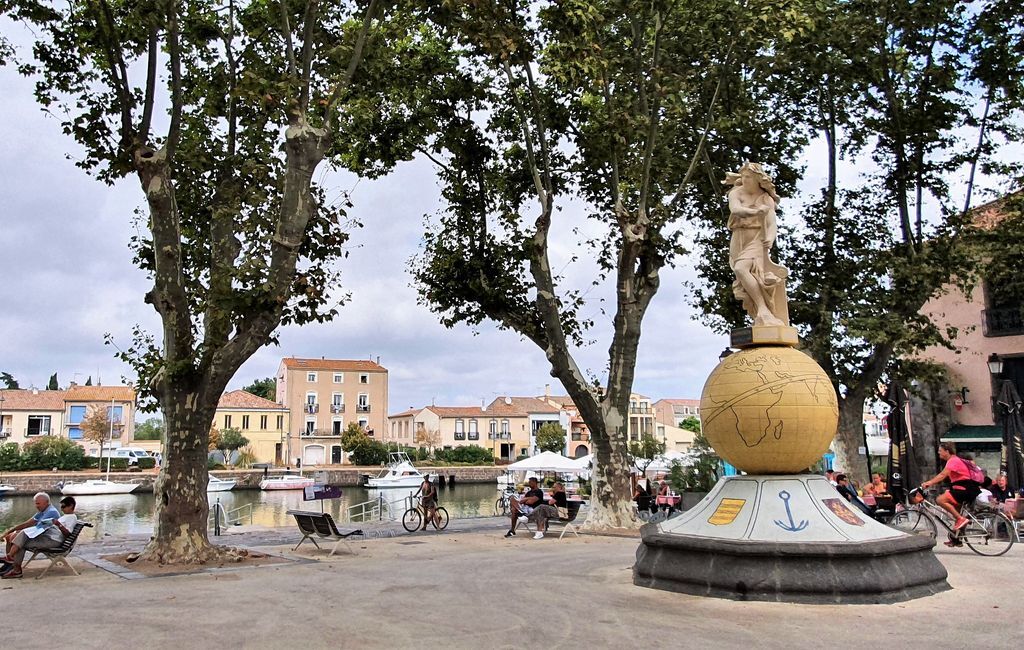
Place de la Marine. Here, in the heart of the quays along the Hérault river, was the beating heart of the fishermen's quarter before the transfer of the Grau d'Agde fish auction. At the center of the square stands the statue of Amphitrite, goddess of the sea and symbol of Agde's maritime tradition. The architecture of the surrounding houses bears witness to the richness of the port's activities.
3
The Grau d'Agde fish auction Along the banks of the Hérault River lies the "criée", a seafood marketing structure open to professionals such as wholesalers, fishmongers and restaurateurs. At the heart of the fish market is a specially-designed belvedere. Here you can see and learn all about the local industry. If you wish, you can plunge into the heart of the fish market's professional activity by attending fish sales through the bay windows overlooking the auction hall. Le Belvédère offers guided tours of the fish auction, its fishing fleet, facilities and operations. Over an area of 150m², a guide will take you on an educational tour, with explanatory panels and a video, entitled "The world of fishing in the Mediterranean".
4
Pier lighthouse Take the basalt stone jetty up to the lighthouse, where the Hérault River flows into the Mediterranean Sea after a 150km journey from its source at Mont Aigoual (Gard) at 1567 meters above sea level. Along the river, it's not uncommon to come across anglers and trawlers leaving or returning from Mediterranean fishing trips, whose home port is Grau d'Agde.
5
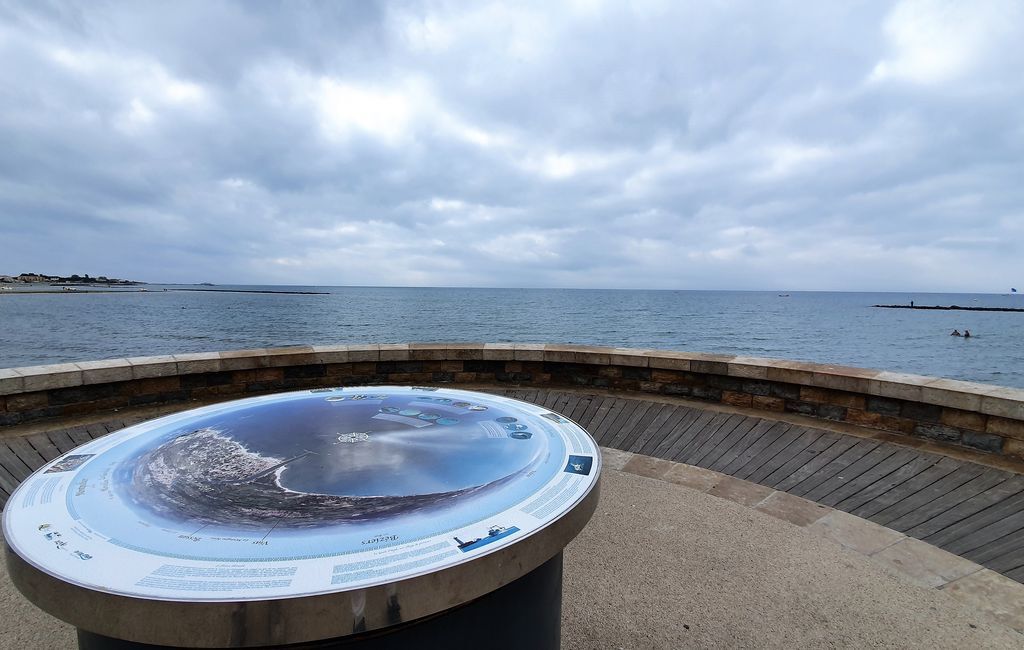
Orientation table/beach Take advantage of the fine sandy beach and nearby shops to take a break and observe the Pyrenees mountain range and Mont Saint Clair in Sète on a clear day from the orientation table.
6
Directional: leaving the banks of the Hérault river, take the Chemin de l'Agenouillade on your right.
7
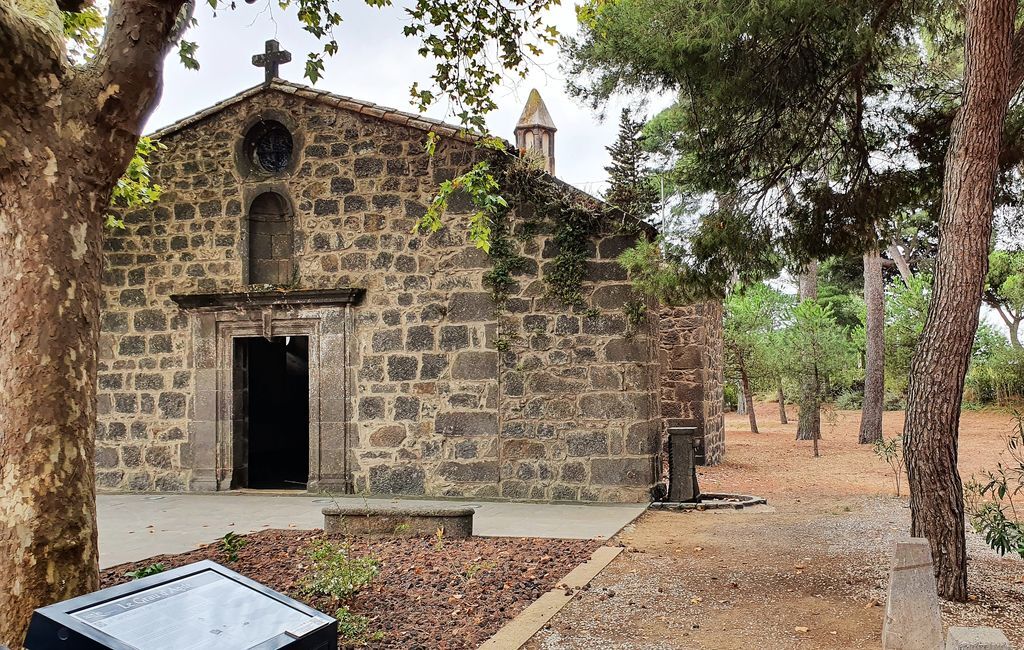
Notre Dame de l'Agenouillade" sanctuary Founded in antiquity and dedicated to the Virgin Mary in the 5th or 6th century AD, it comprises two religious monuments. The church of Notre Dame du Grau, the original holy place, and the chapel of l'Agenouillade. This chapel, built by the Connétable de Montmorency in the 16th century, commemorates a medieval miracle whose authentic or legendary story is told inside: according to legend, it was here that the Virgin Mary appeared for the first time in France. Inside the chapel, the imprint of her knee is visible...
8
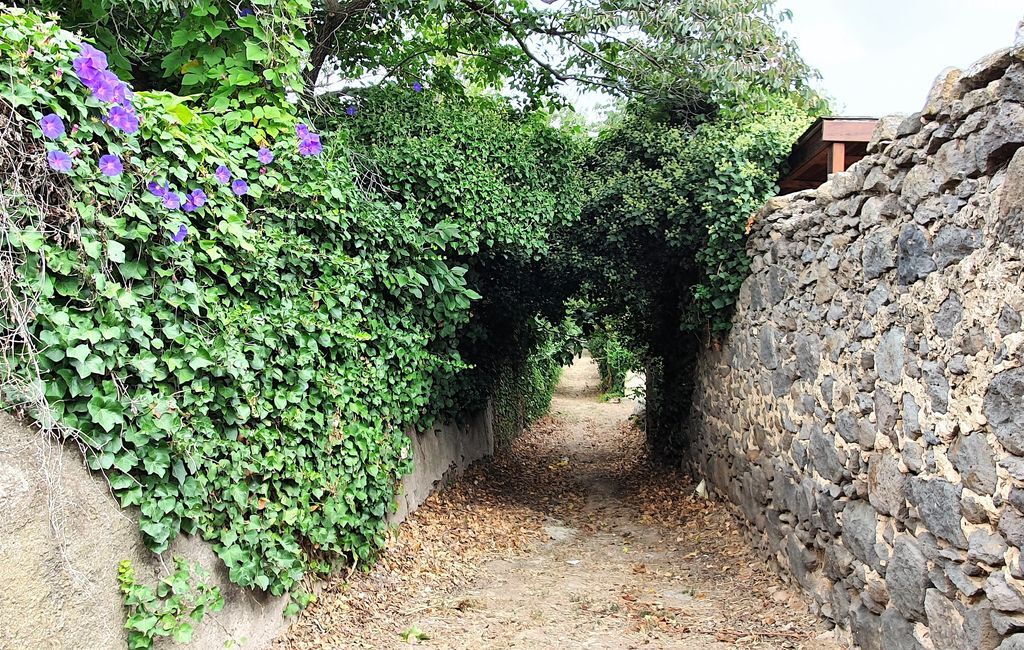
Directional: behind the emblematic rock where the statue of the Virgin Mary culminates, discover an unusual passage between two dwellings.
9
Directional: at the end of the path, cross the small ditch and turn left. Follow the path back to the banks of the Hérault and return to the starting parking lot.
Áno
In case of emergency, call 112.
Bring appropriate footwear, water bottle, hat or cap. Respect the environment.
+33 4 67 01 04 04
Cap d'Agde Méditerranée Tourist Office
Obľúbené výlety v okolí
-
5,0
HIKING MOUNT ST-LOUP, AN ANCIENT VOLCANO
svetloTuristika 9,11 km -
4,0
LE BELVEDERE VOLCANIC CLIFF HIKE
svetloTuristika 7,12 km -
LA GRANDE MAÏRE HIKE
svetloTuristika 11,2 km -
MOUNTAIN BIKE CIRCUIT 21: LE GRAND SALAN - ESPACE VTT/GRAVEL CAP D'AGDE MÉDITERRANÉE
svetloMountainbike 19,5 km -
CIRCUIT VTT 23: GRANDE BOUCLE D'AGDE - ESPACE VTT/GRAVEL CAP D'AGDE MÉDITERRANÉE
svetloMountainbike 25,0 km -
OENORANDO® BETWEEN THE CANAL DU MIDI AND THE VINEYARDS
strednáTuristika 10,2 km -
HIKING THE DOMAINE DE MARAVAL
svetloTuristika 7,52 km -
HIKING OF THE PASEJADE DEL CRES
strednáTuristika 14,2 km -
5,0
HIKING THE ORPELLIÈRES, TREASURES OF NATURE
svetloTuristika 4,13 km -
CYCLO LOOP N°24 - AGDE, FRESH AND SALT WATER
svetloCyklistika 32,7 km
Turistika a stopovanie

Nenechajte si ujsť ponuky a inšpiráciu na ďalšiu dovolenku
Vaša e-mailová adresa bol pridaný do poštového zoznamu.


