






Brachvogeltour - Bike Touring in the Drömling
Úroveň náročnosti: 3
The Drömling is home to a rich flora and fauna. The circular route, which gave the curlew its name, leads over 32 kilometers through the nature reserve "Ohre-Drömling" to breeding sites, quiet waters,...
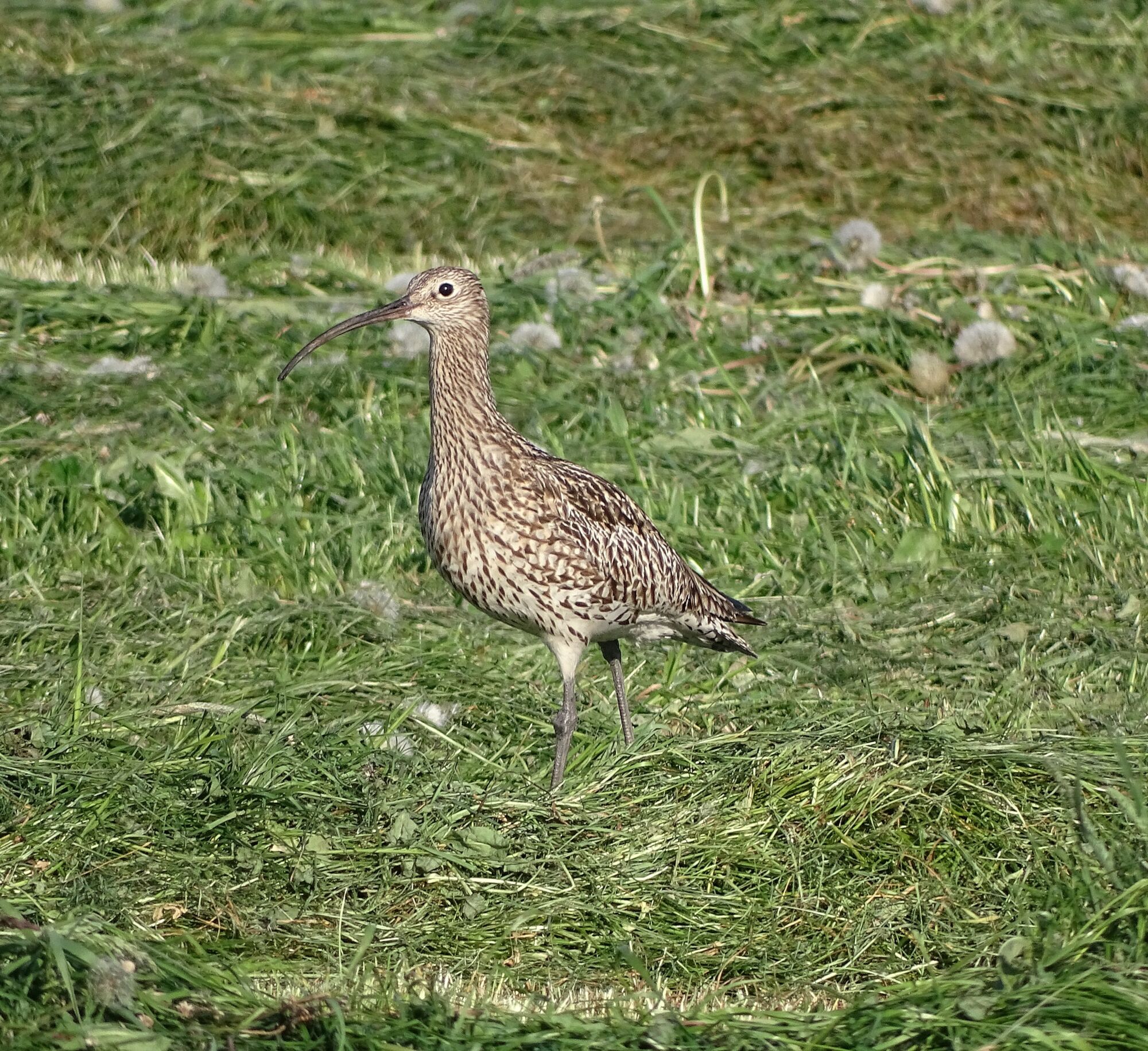
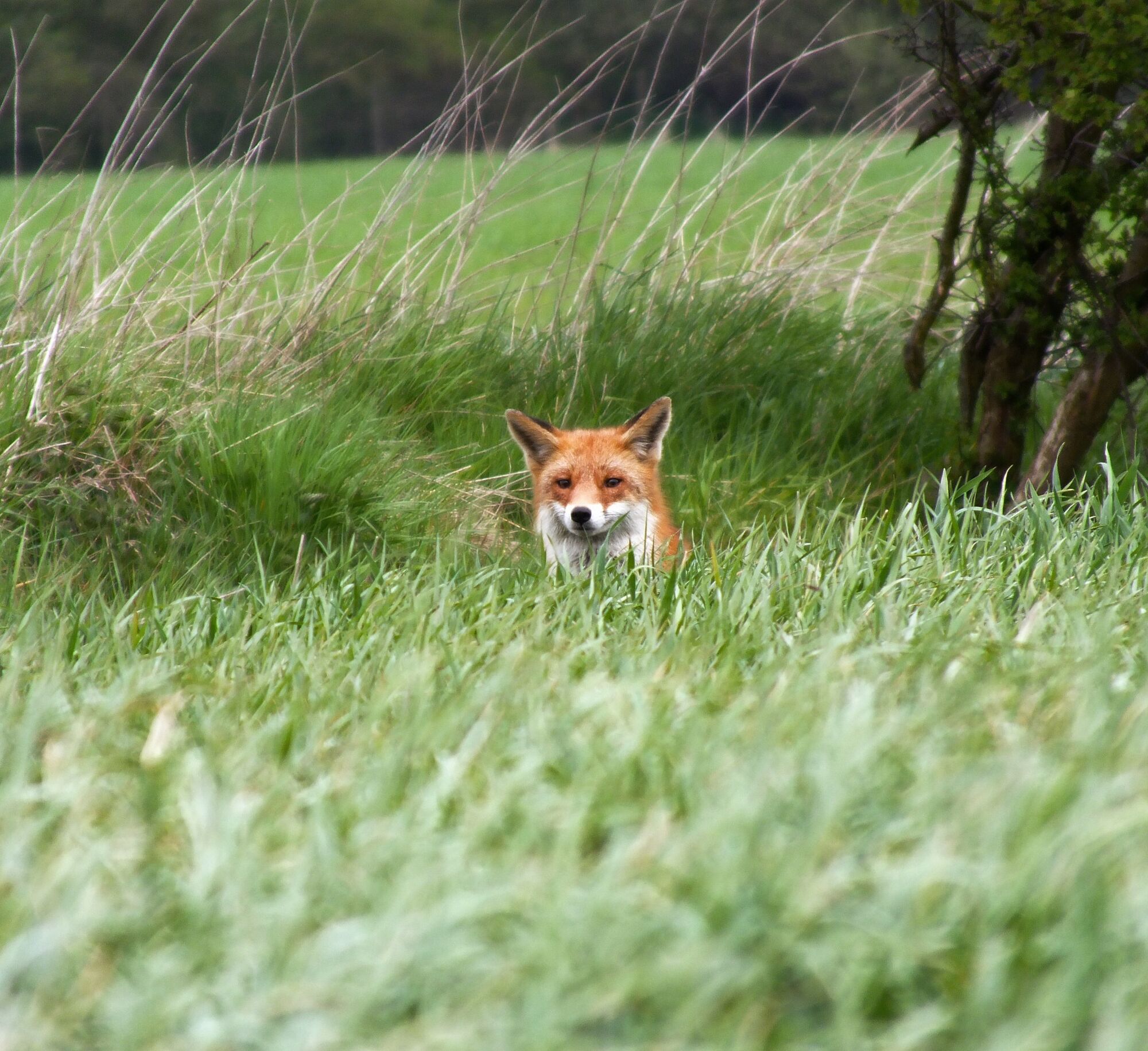
The Drömling is home to a rich flora and fauna. The circular route, which gave the curlew its name, leads over 32 kilometers through the nature reserve "Ohre-Drömling" to breeding sites, quiet waters, over meadows, and through deciduous and mixed forests. Cyclists should not be deterred by some difficult sections. An intact nature will make up for it. The birdlife alone is an experience. At the gravel lake near Sachau, one can with some luck observe grebes, grey geese, and Egyptian geese. Cormorants, birds of prey, and grey herons search for food – much to the anglers' annoyance. But the fish population is large, and the table is richly set for all. The song of shy curlews floats over the meadows. Foxes are often seen wandering over the meadows by day. Twice a year, the banks of the Mittelland Canal at Piplockenburg are the site of a grand spectacle. The cranes rest here by the thousands during their migration.

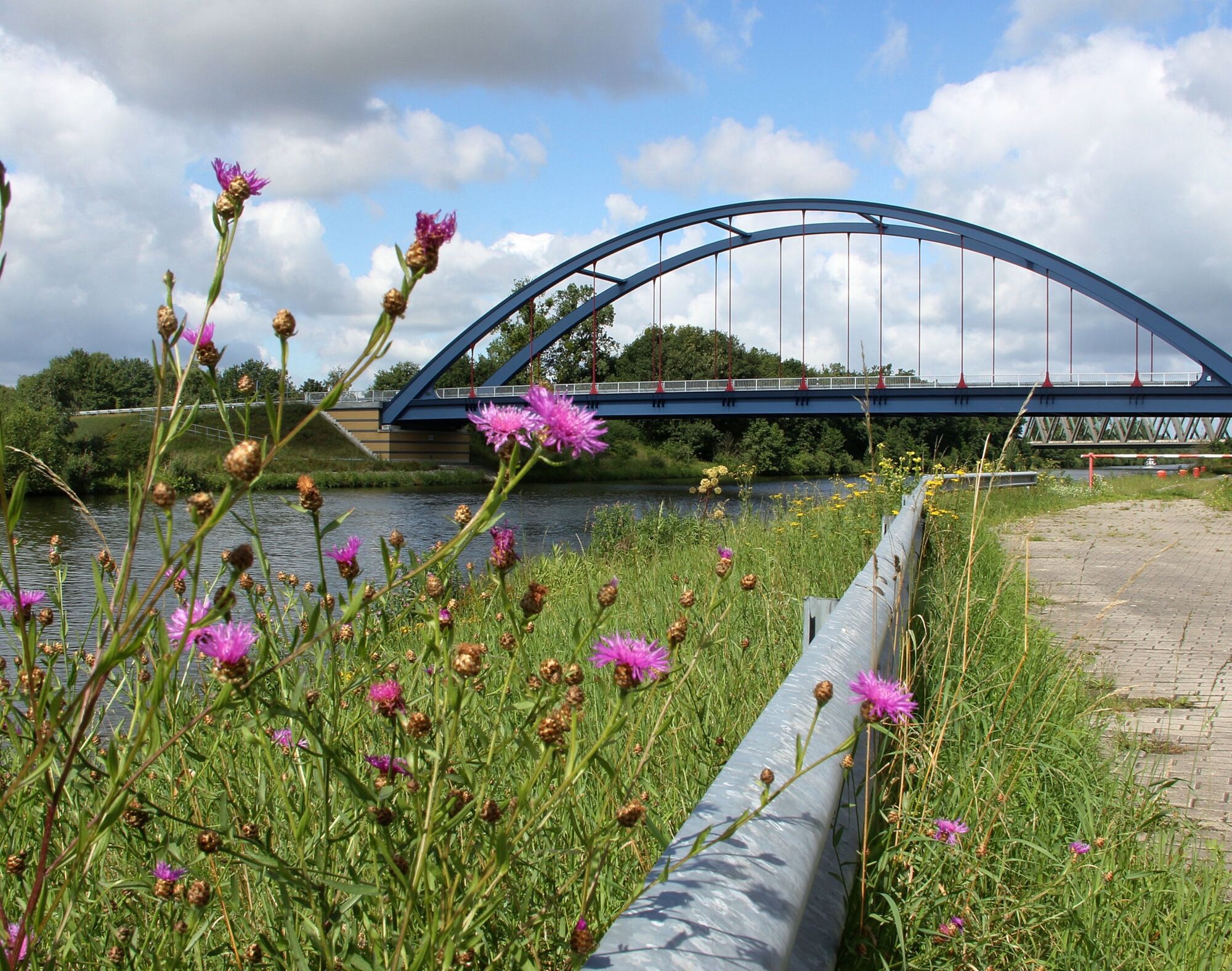

We start our route from the Tourist Information Mieste heading south. A narrow road leads us to the district of Wernitz. Shortly before reaching the main road, we turn right and use a field path heading south. At km 3.2 we reach Dreihorst, a small wooded area with a shelter from which you get a very good view of the wetland area "Langer Winkel."
From here, we ride east. To the right of the path stretches one of the breeding grounds for curlews in the nature reserve "Ohre-Drömling." Passing an old milking stand converted into a bat roost, the path leads us to the Wernitz-Sachau road, which we cross.
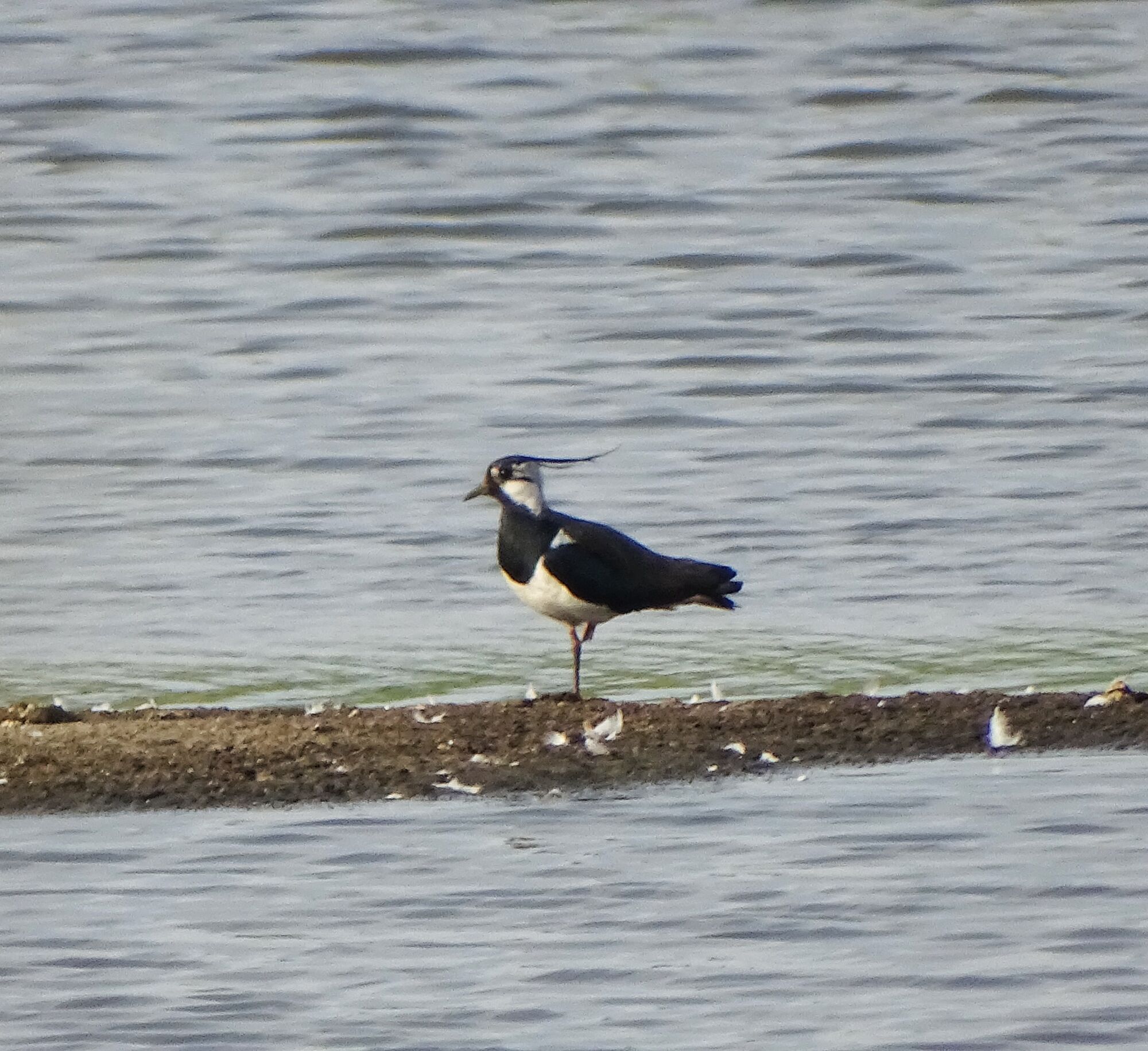
On our further way, with some luck, we see grazing roe deer, a shrike sitting on the telephone line, or resting lapwings. At the railway line, we turn right and follow the road to the gravel pit. Here, there is the possibility to continue the path via the village Sachau (map needed). However, we follow the path along the gravel pit heading south. This gravel lake, partly used as a fishing water, is a breeding site for grebes, greylag geese, river plovers, various small birds, and the Egyptian goose, which has only recently immigrated here. Grey herons, cormorants, and various birds of prey visit the water to forage. From here, an alternative route via Sachau to the Kämeritz colony is possible.
The path continues through pine forests, parts of which are being converted to deciduous and mixed forests. On the right side stretches the former military airfield Sachau, which we now bypass. At km 11.4 we turn right and follow a partly paved forest path westward. We cross the Sachau-Jeseritz road and continue along the forest edge. When the path ends, we turn left and enter the forest. At km 13.5 we turn right and reach Kämeritzer Weg.
Our path leads us left through the Kämeritz colony and past a small cemetery to the Jercheler Heuweg. We follow this turning right, crossing the Sichauer Beek ditch to the main drain ditch. From there, the path leads us along this ditch south, past the confluence of the two ditches and a weir with a fish pass, to the Ohre.
In the meadows, especially in spring, the trilling song of the curlews can be heard, and foxes are often seen crossing the wide meadows by day. We now follow the Ohre westward. Passing the mouth of the Aller canal, we reach the Mannhäuser Damm. A seating area offers a chance for a break, the splashing water at the Hoffmann sluice breaks the silence. A memorial stone commemorates Robert Hoffmann, co-author of the "General Plan for the Cultivation of the Drömling" from 1939.
We cycle south on Mannhäuser Damm to the Mittelland Canal, follow it west, and thus reach the shallow water zone near Piplockenburg. From the viewpoints set up on the canal dam, numerous water bird species can be observed on the small island-studded lake. This was created as compensation for the expansion of the Mittelland Canal. At the canal bridge, we leave the Mittelland Canal and cycle past the Drömlingsklause in Piplockenburg about 1 kilometer north to the Ohre.
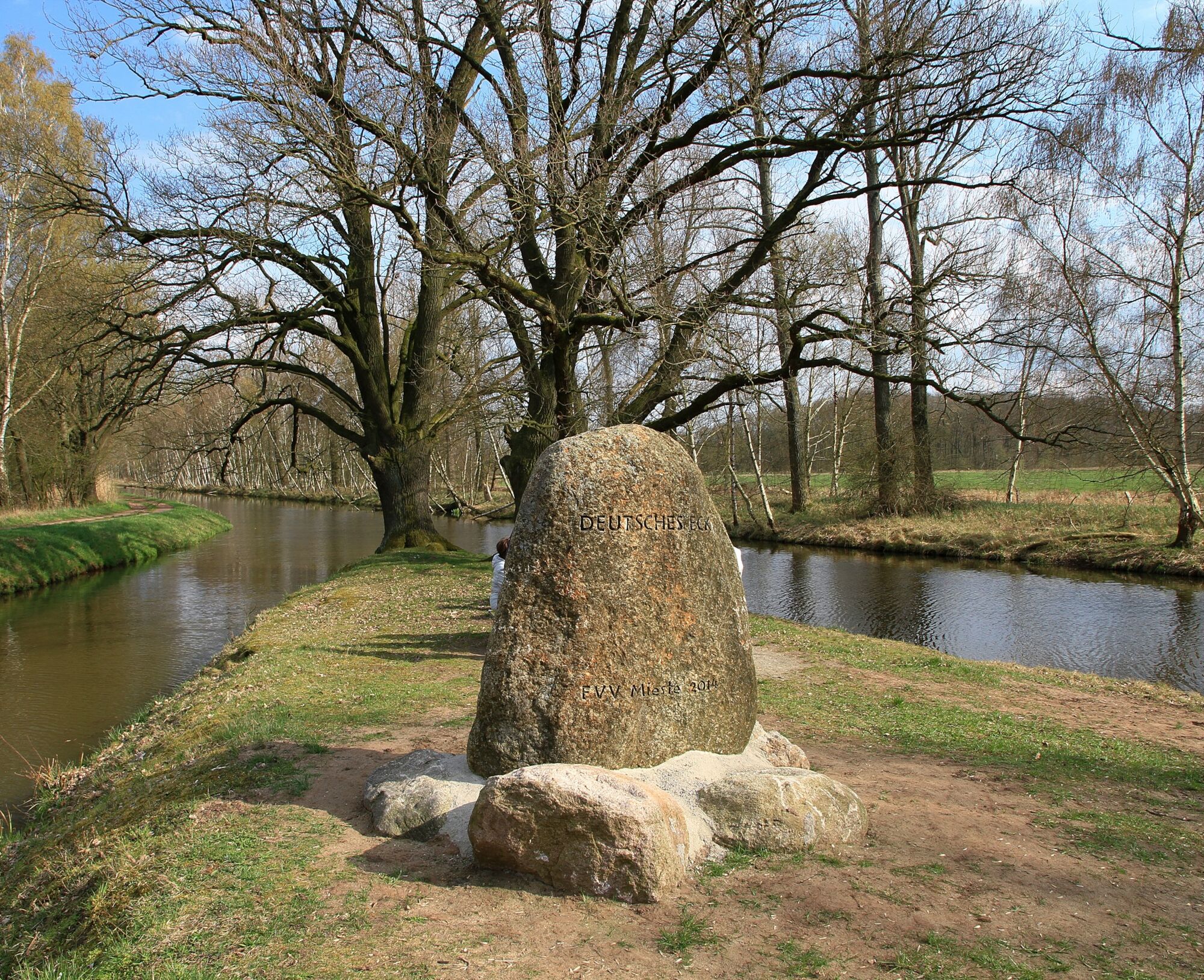
Here, on the right, hidden in the shade of large trees, is the information center of the nature park administration. A comprehensive exhibition, well-maintained outdoor facilities, and a nature trail with numerous display panels beyond the Ohre provide information about the Drömling landscape and its inhabitants. We continue our path eastward along the Ohre. At the German Corner, the mouth area of the Friedrichskanal, there is again a seating area for a short break.
We cross the Friedrichskanal via a wooden bridge and after about 100 meters turn right. Passing a farmstead of the Breiteiche colony, we now ride north. The stork nest at the farmstead belongs to the oldest and most successfully used in the Drömling. At km 29.8, the "Wiesencafé Breiteiche" invites you to linger. Refreshed, we continue our ride. After 200 meters, we turn left and follow the road to Mieste up to our starting point. In Mieste, the Haus Altmark offers a delightful conclusion to this route.
Maps, sun & rain protection, sturdy footwear
Attention! Most of the Brachvogeltour leads us through the nature reserve "Ohre-Drömling." Leaving the paths in the nature reserve is not permitted. Likewise, making noise, lighting fires, and camping are prohibited here. Please leave the rest areas after your break as you found them so that future visitors can also enjoy the peace and beauty of nature undisturbed.
Mieste is located on the B188 towards Oebisfelde and about 16 km from Gardelegen.
- Public bus service with bicycle transport
- Timetable information at: www.insa.de
- Train
- Parking lot Riesebergstraße / Thälmannstraße
- On-street parking
3
From the viewpoints at the Mittelland Canal near Piplockenburg, you can observe numerous animal species!
Obľúbené výlety v okolí
-
Gartenträume: Wallrundgang um die Hansestadt Gardelegen
svetloTematická trasa 2,28 km -
Marsh Marigold Route - Cycling in the Drömling
strednáCyklistika 20,4 km -
The Altmark Reformation Bike Route - circular tour
strednáCyklistika 34,8 km -
The Altmark Reformation Bike Route - Stage Tour
svetloCyklistika 37,8 km -
Altmark Reformation Cycle Route - experience church history actively
ťažkéCyklistika 167,8 km -
Bibertour - cycling in the Drömling
strednáCyklistika 28,4 km -
On Reutter's Trail - Themed route in Gardelegen
svetloTematická trasa 1,36 km -
Stadtrundgang durch die historische Altstadt der Hansestadt Gardelegen
svetloPrechádzka 2,73 km -
Tour de Gardelegen #5
strednáCyklistika 31,6 km -
Tour de Gardelegen #3
svetloCyklistika 22,4 km
Turistika a stopovanie

Nenechajte si ujsť ponuky a inšpiráciu na ďalšiu dovolenku
Vaša e-mailová adresa bol pridaný do poštového zoznamu.