




Old Castle path Podbočje-short
The circular path, almost 4 km long with an elevation difference of 129 m, starts and ends at the square by the Church of the Holy Cross in Podbočje. In the first part, it rises through the forest to the...
The circular path, almost 4 km long with an elevation difference of 129 m, starts and ends at the square by the Church of the Holy Cross in PodboÄje. In the first part, it rises through the forest to the slope where vineyards and wine cellars begin, and in the second part descends through vineyards to Žabjek and to the starting point.
The circular path, almost 4 km long with an elevation difference of 129 m, starts and ends at the square by the Church of the Holy Cross in PodboÄje. In the first part, it rises through the forest to the slope where vineyards and wine cellars begin. The path continues along the western, wine-growing side of the slope to the village of Žabjek and along the main road past the elementary school beehive to the start. Along the path are seven educational points intended for both schoolchildren and adults.
The place and the path boast a rich history - mentioned as early as 1249 in connection with lions and money, economy (pottery, carpentry, mills on the Sušica, strawberry fields), and viticulture. The Church of the Holy Cross is extremely interesting as it is known for its large nativity scenes. The church tower is among the tallest in Dolenjska.

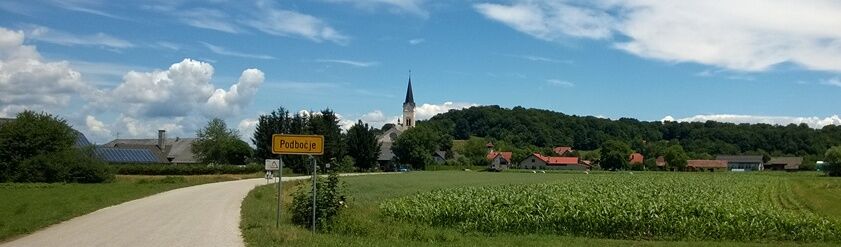
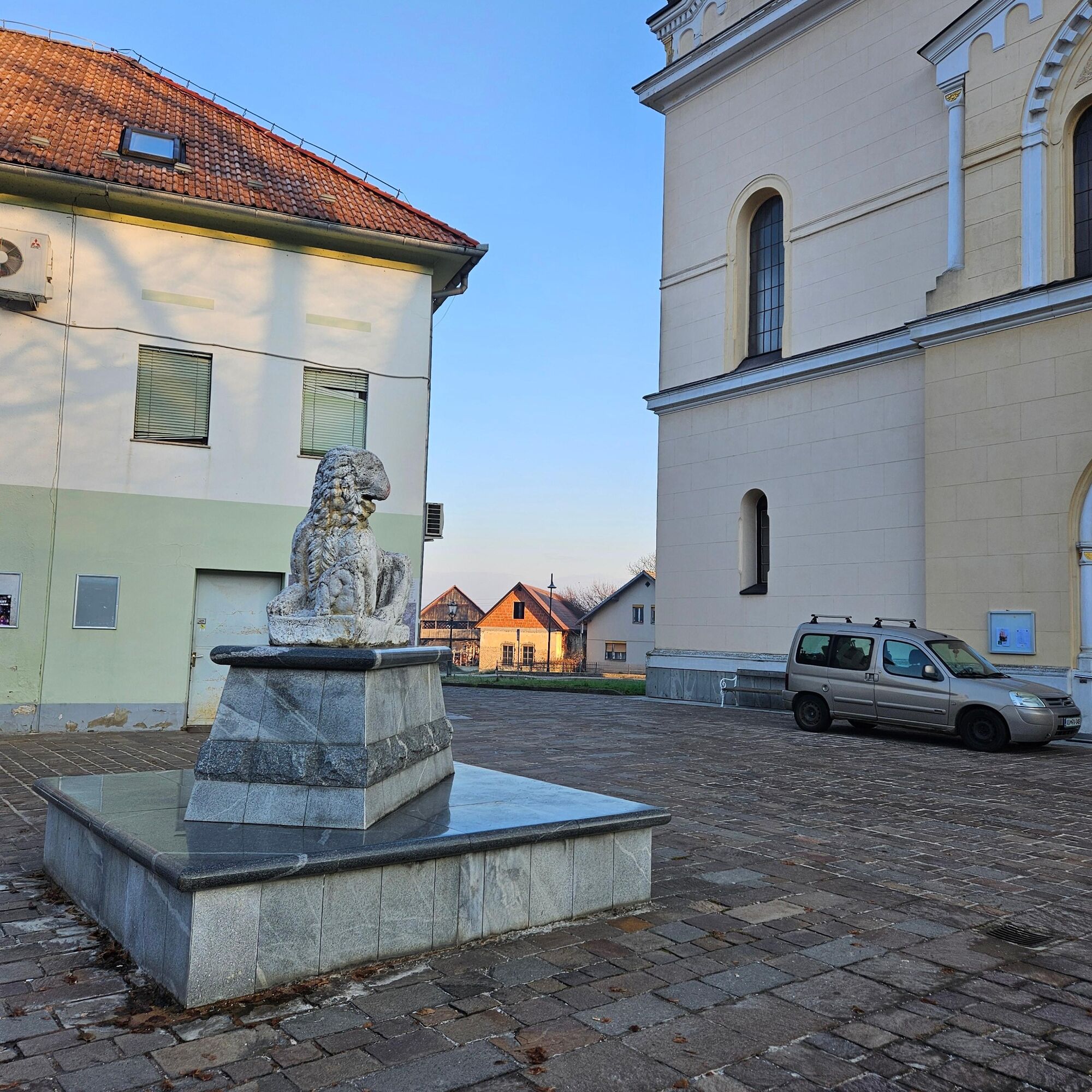
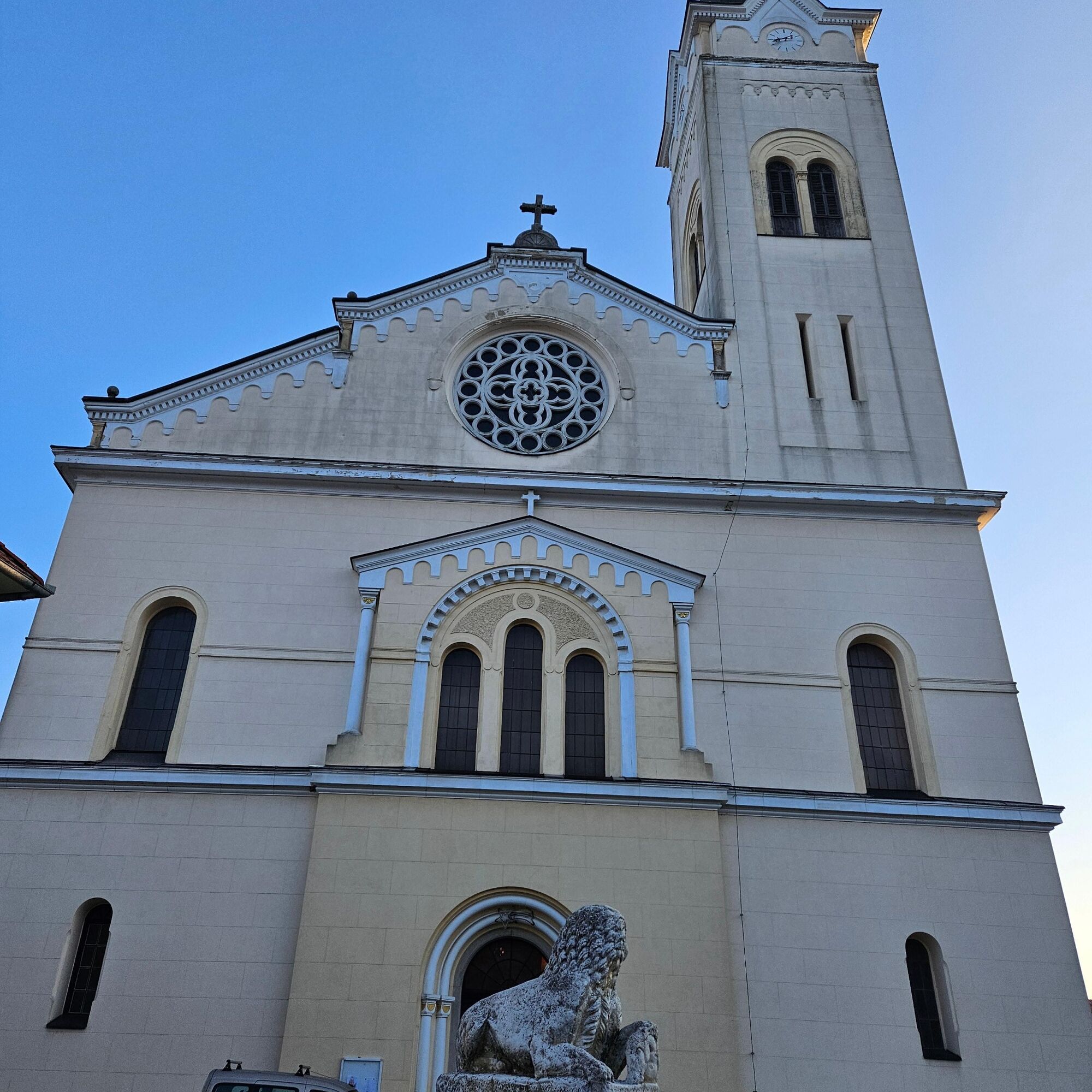
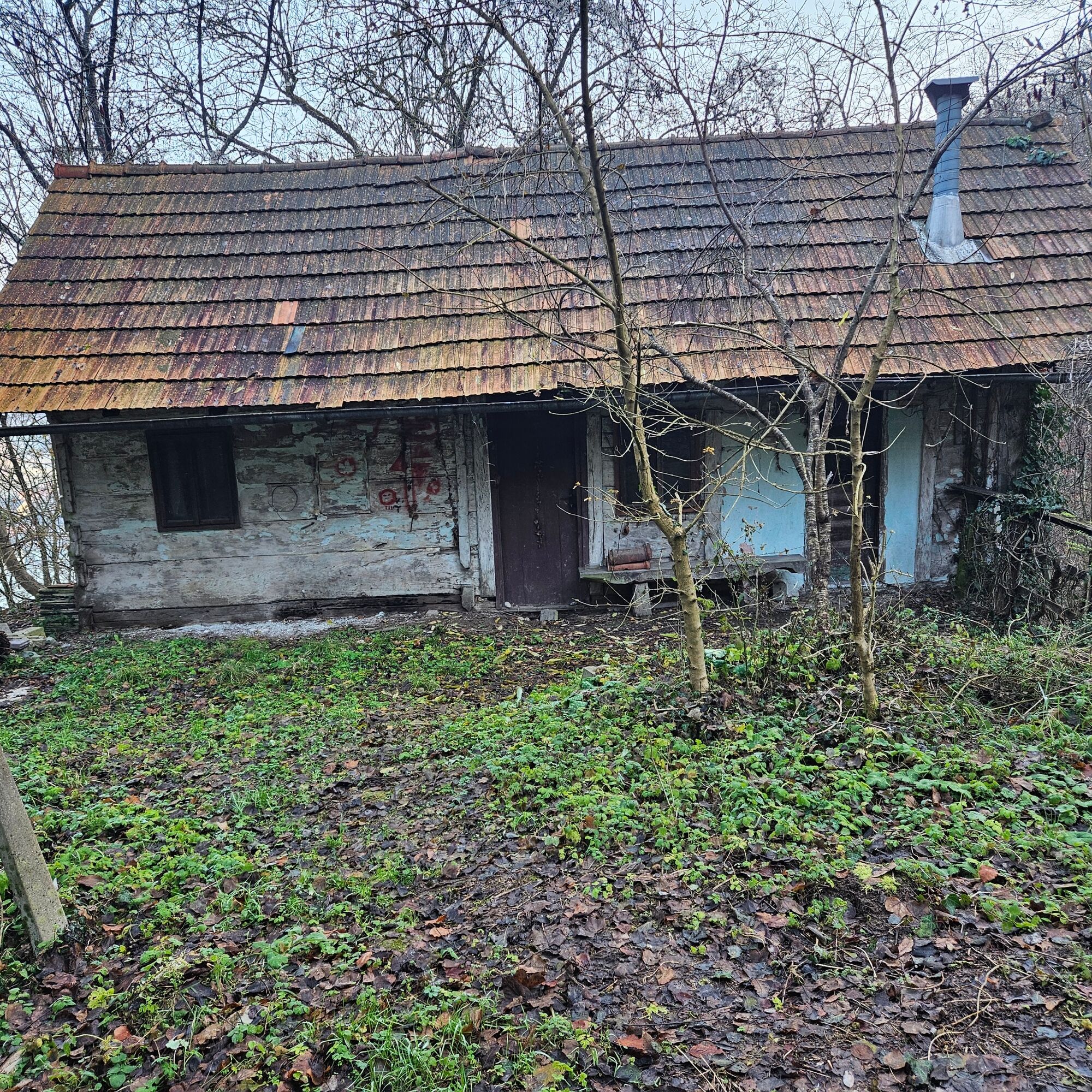
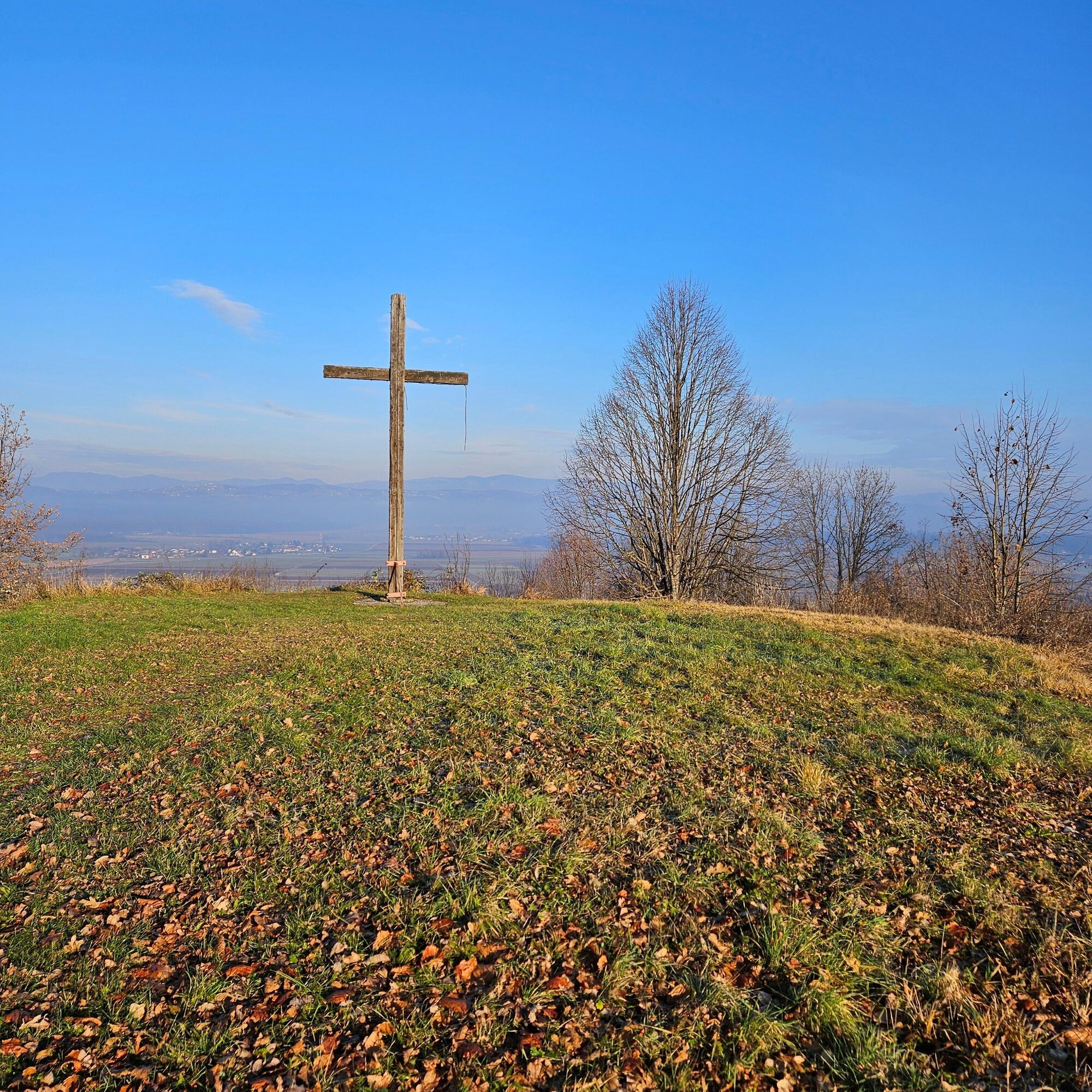
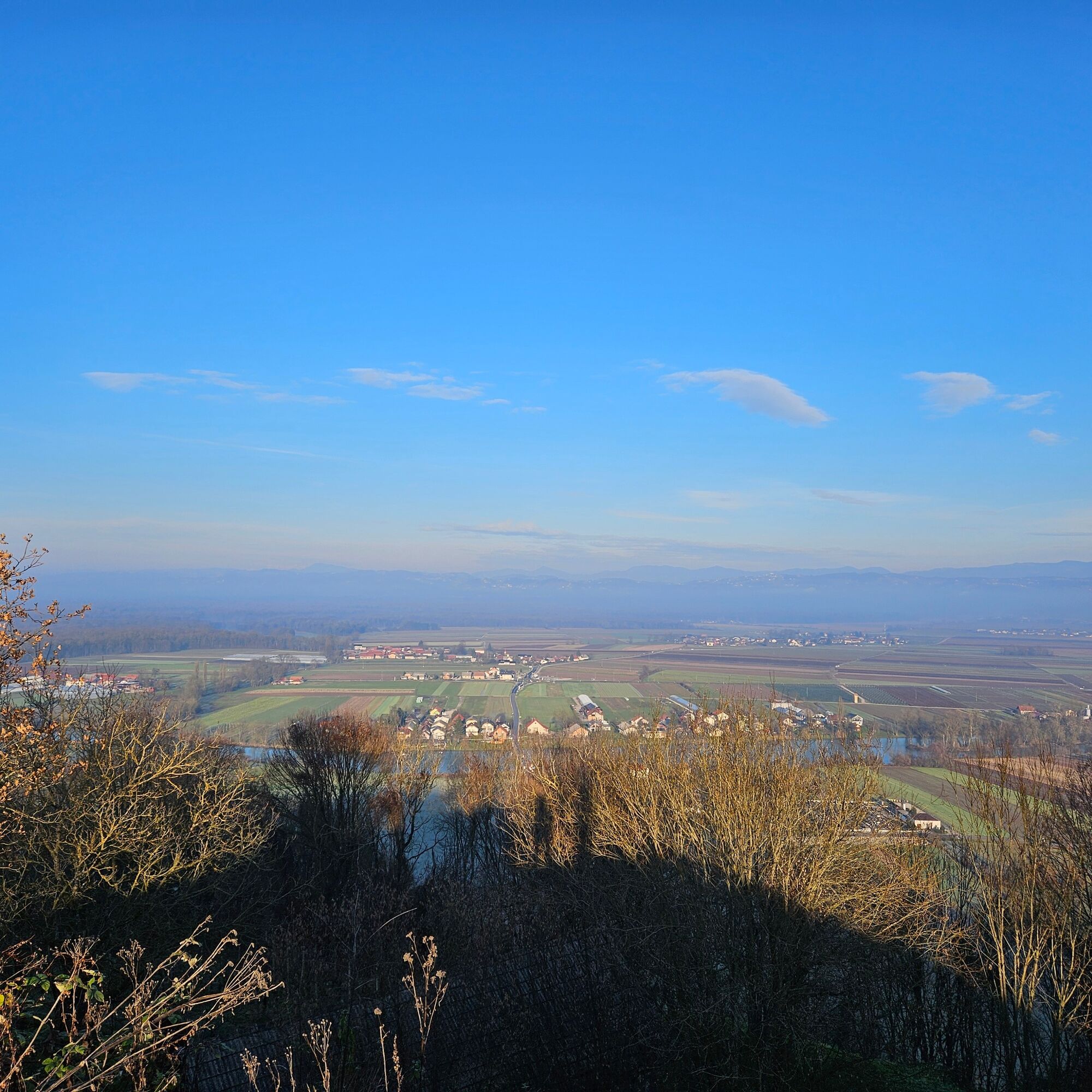
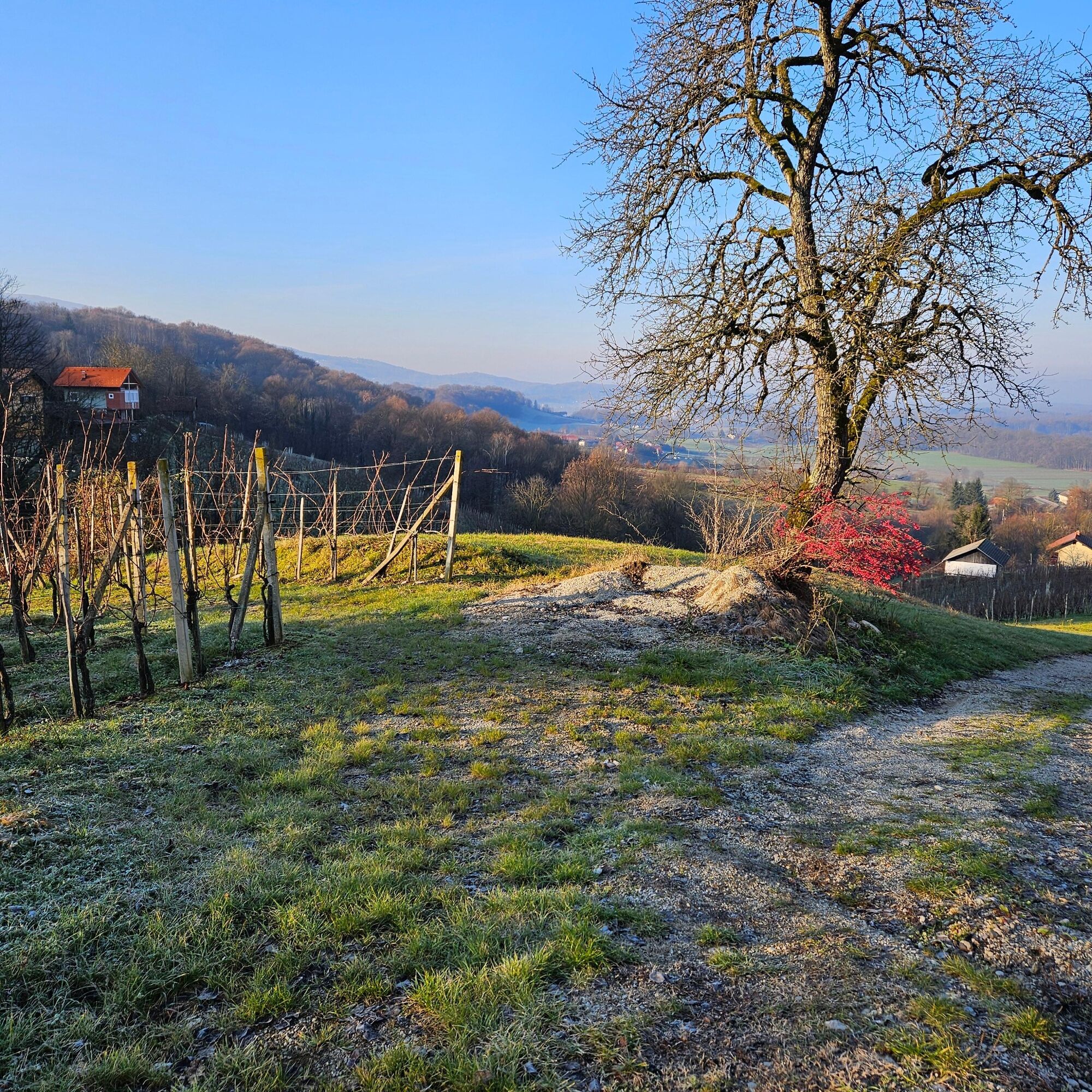
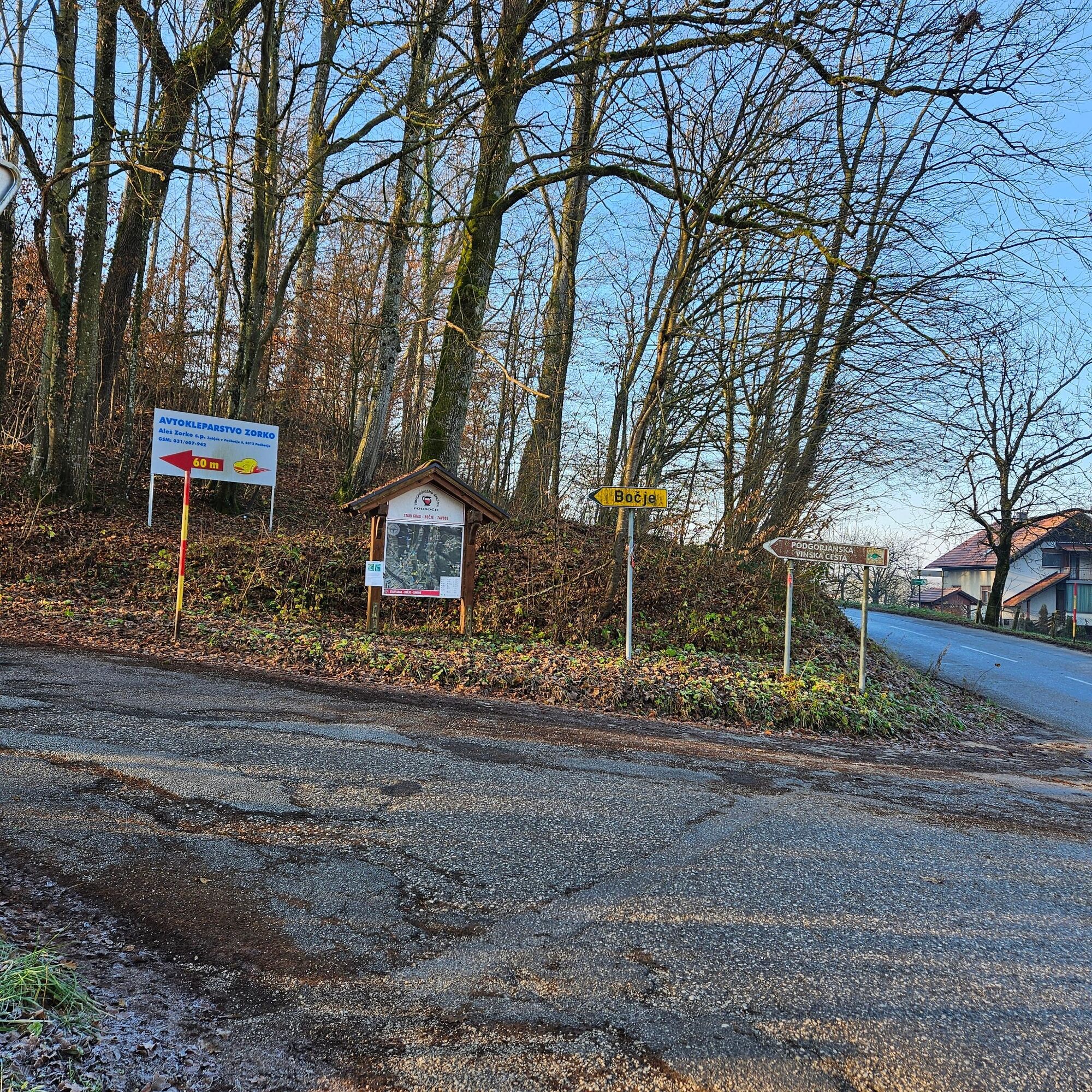
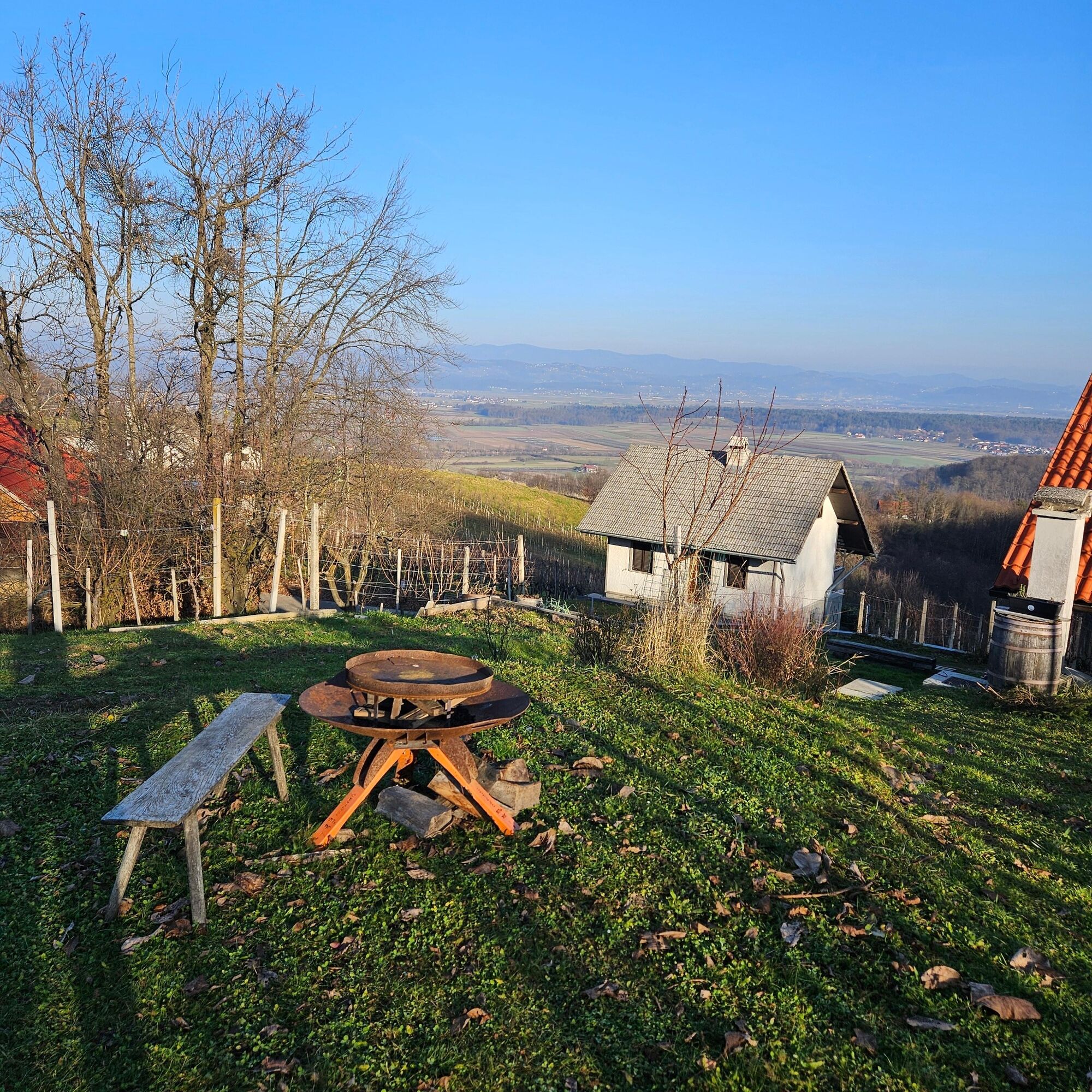
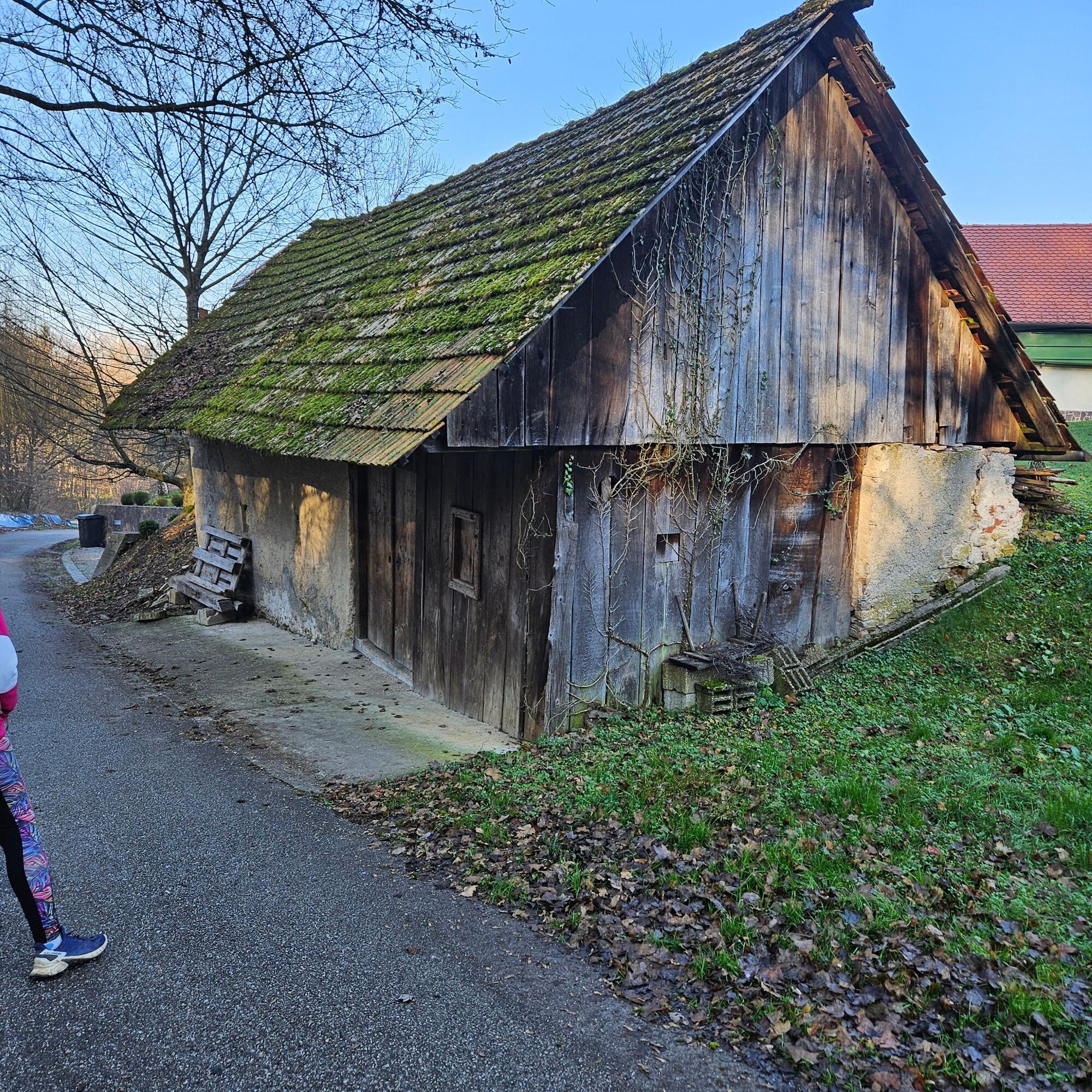
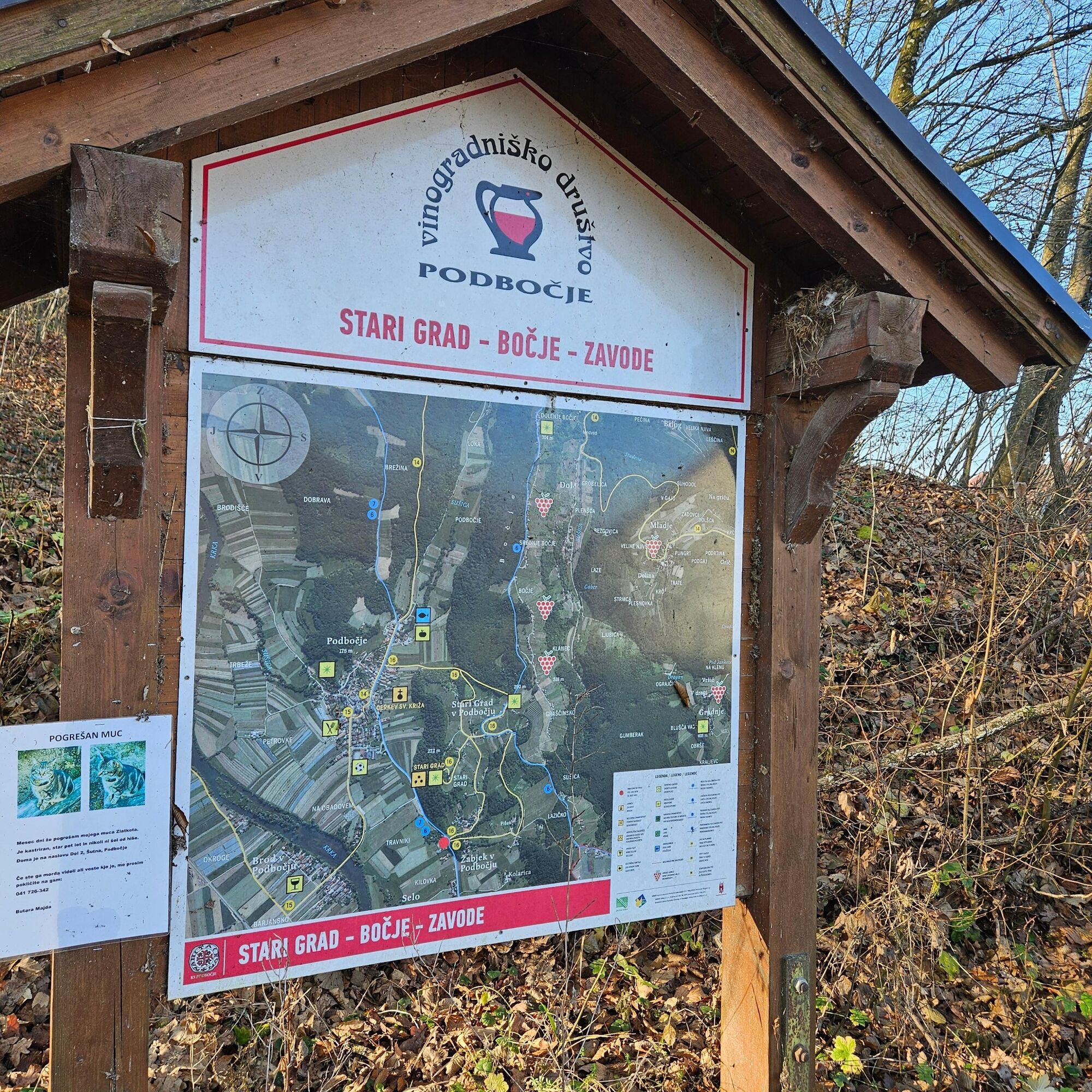
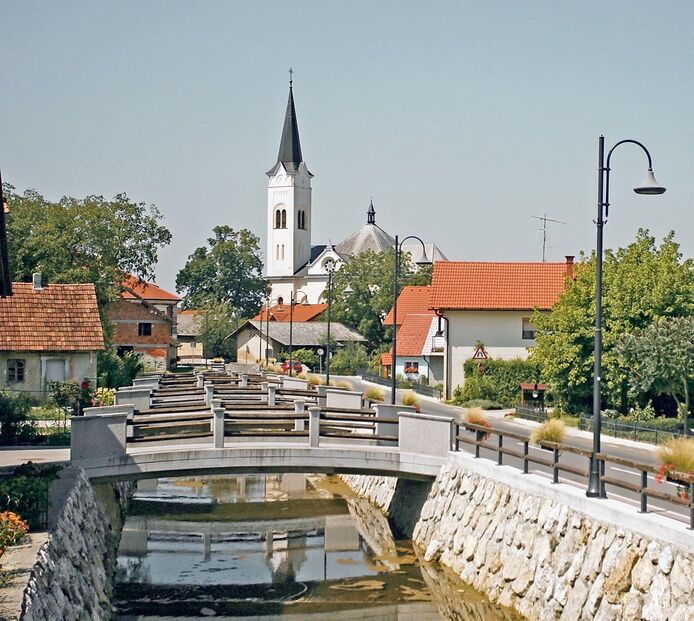
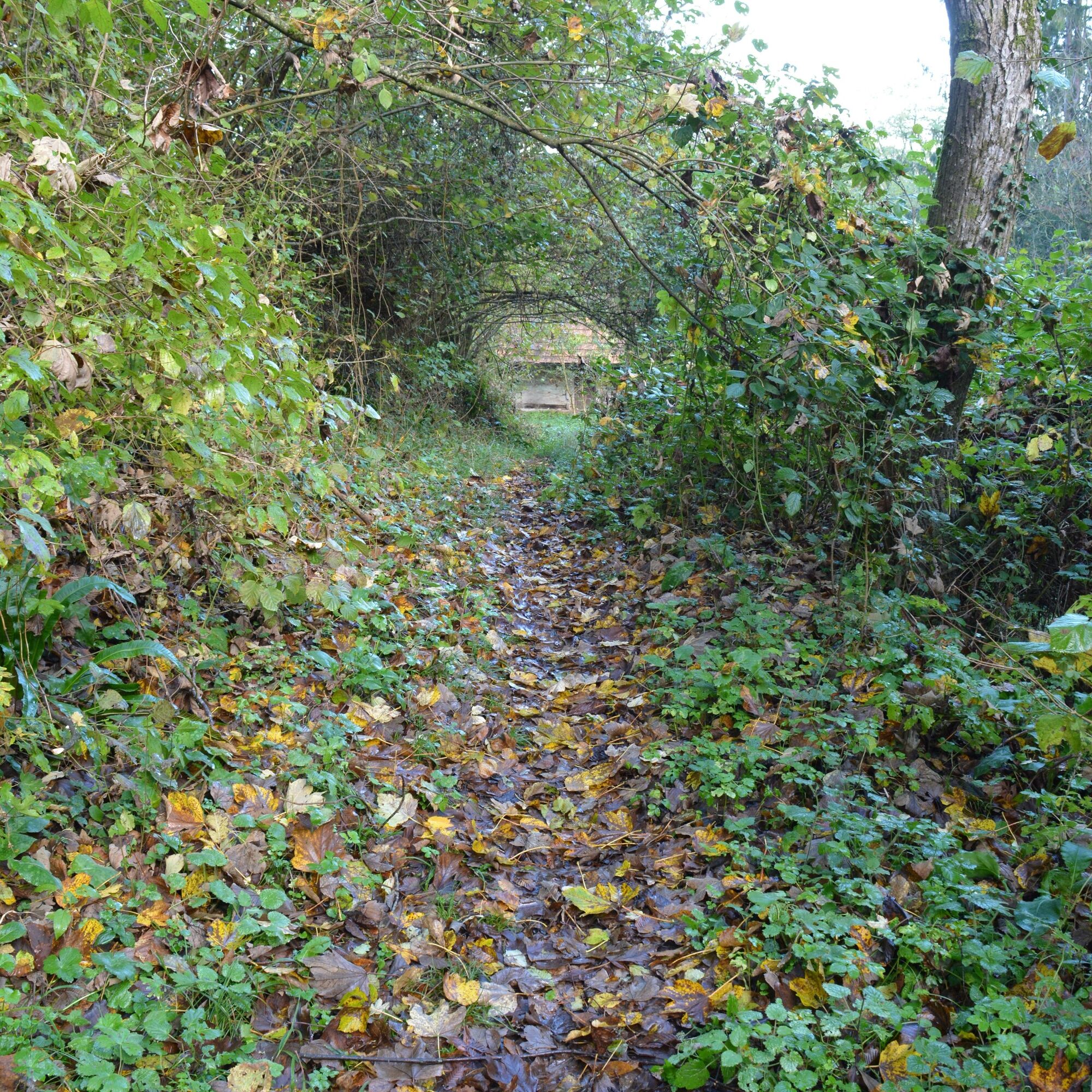
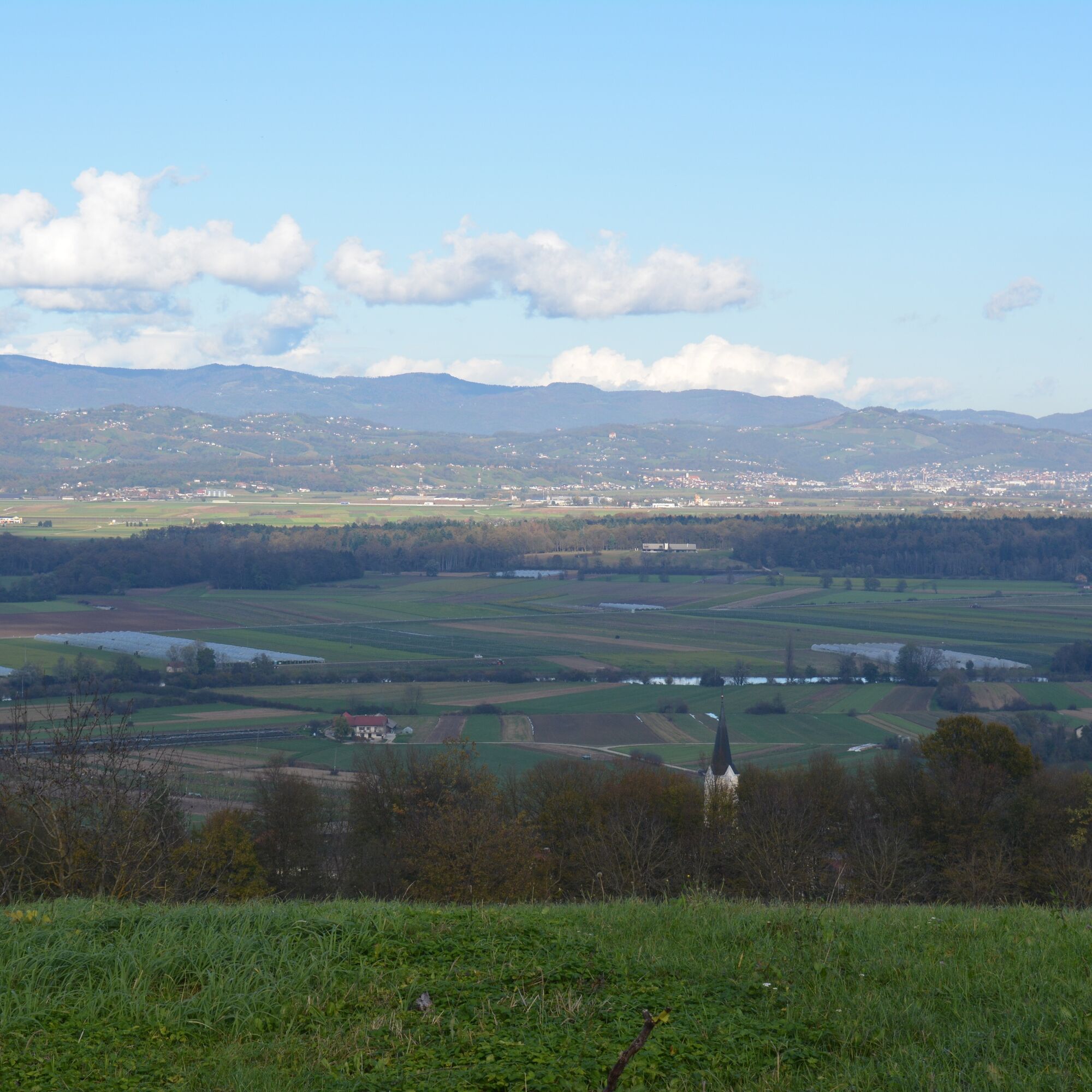
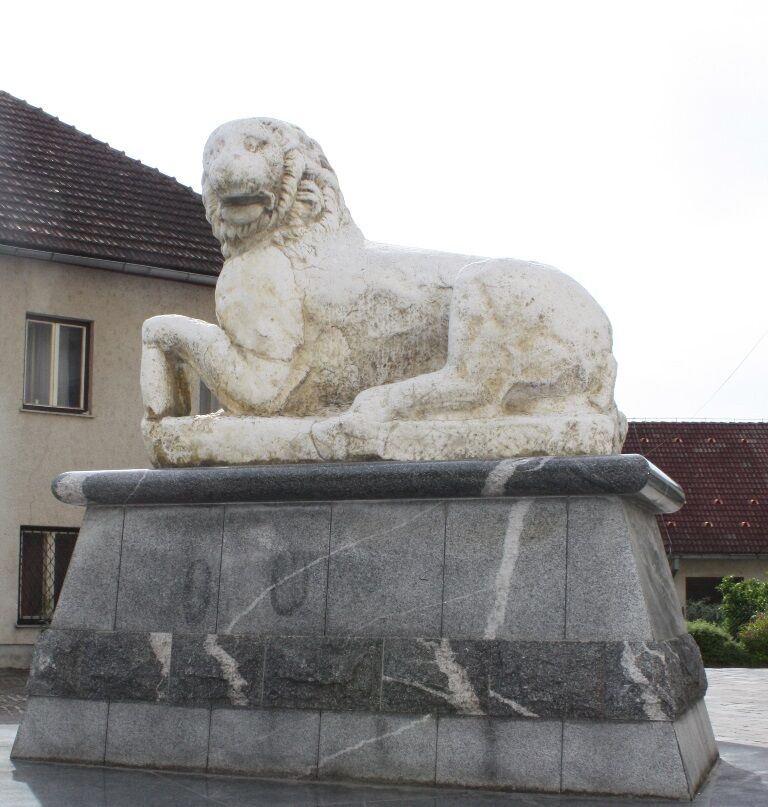
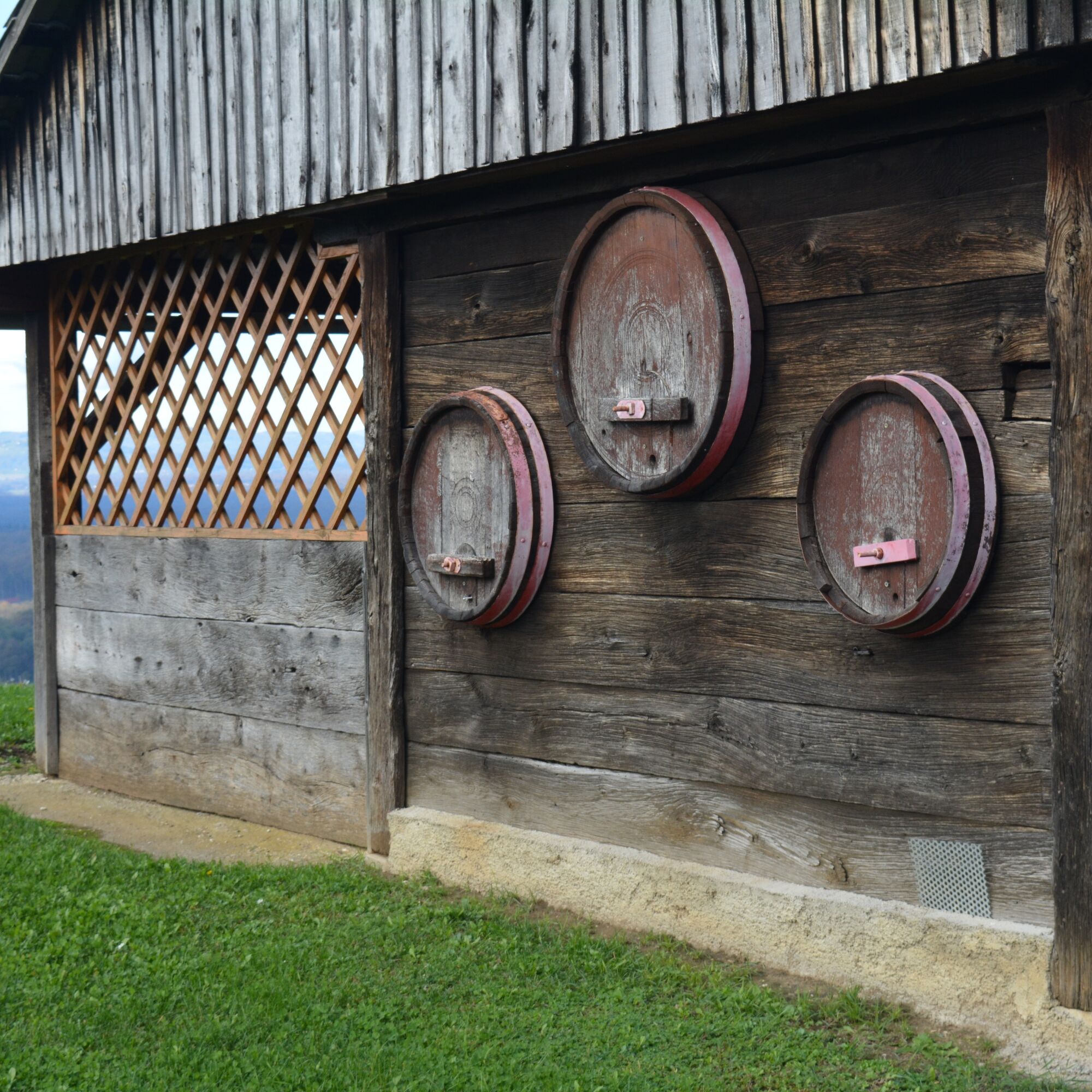
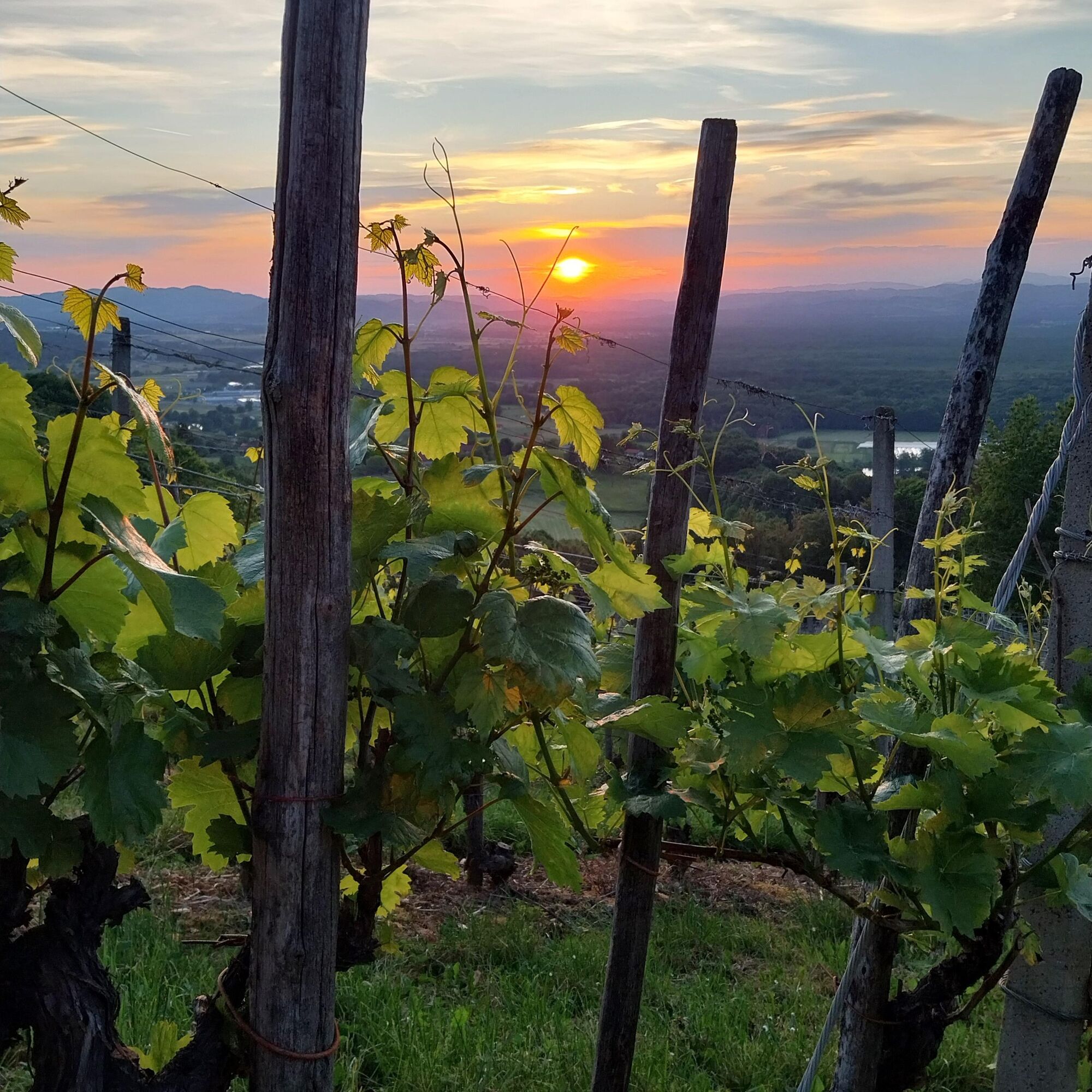
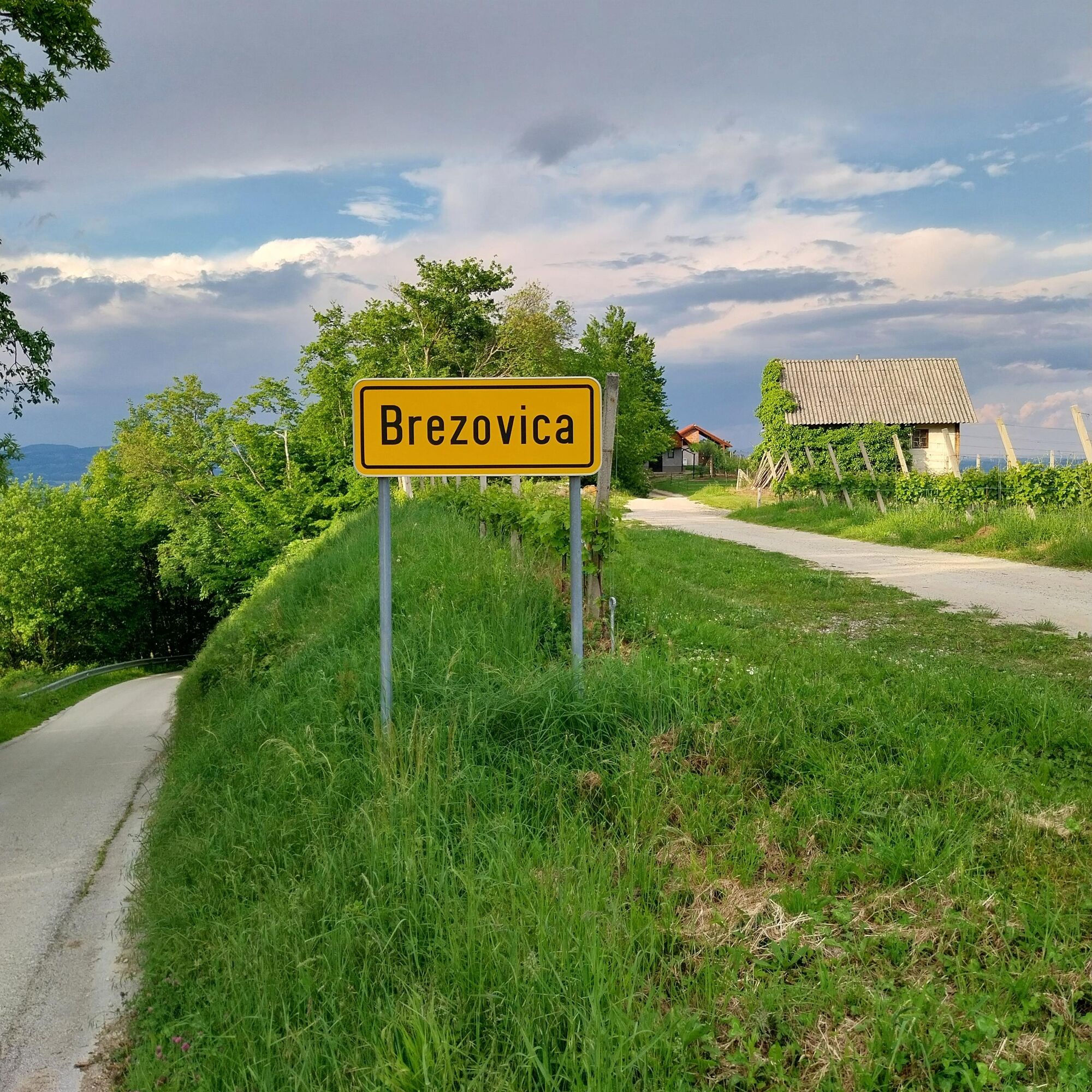
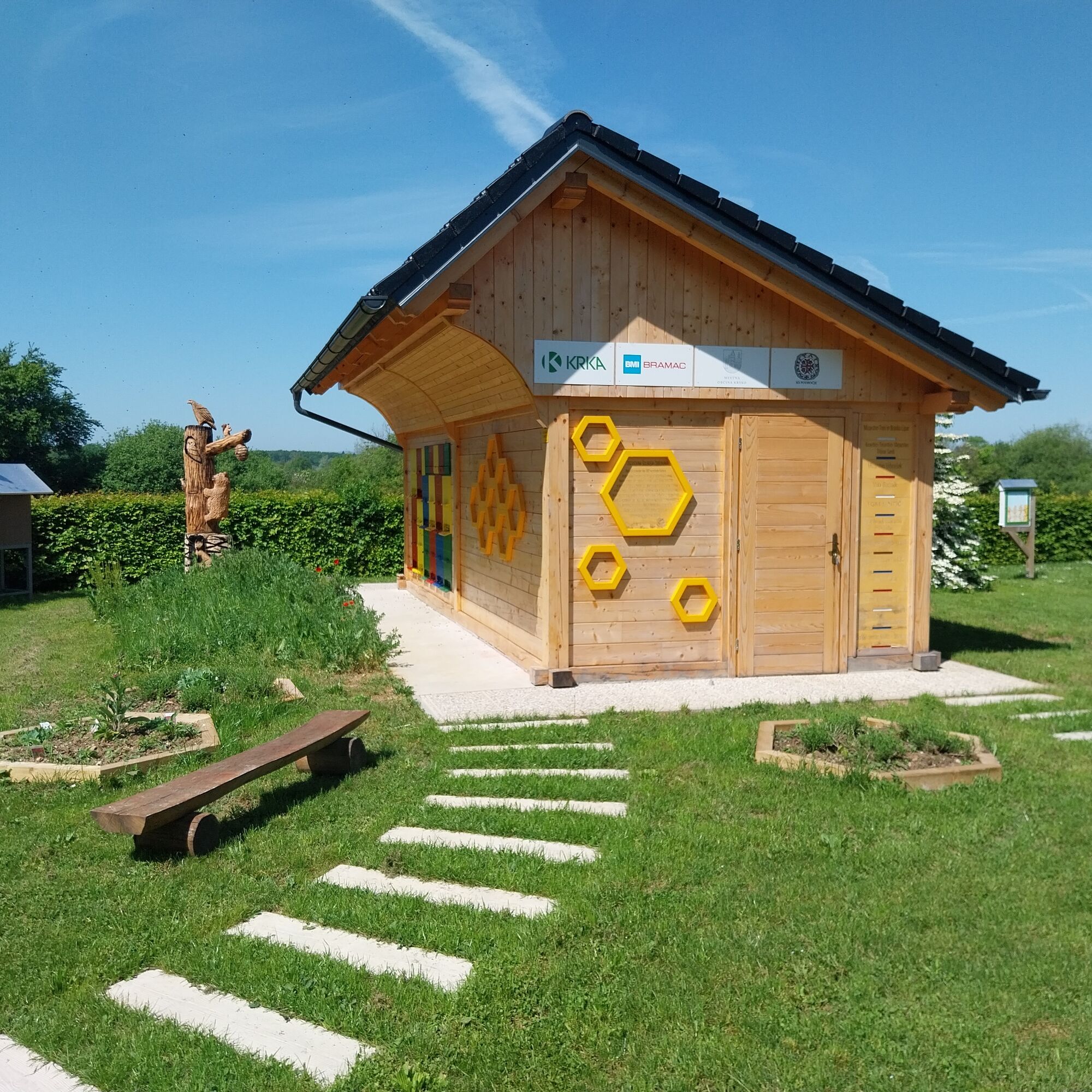

From the square by the church, where a replica of a lion with a lion’s paw lies, which once adorned the staircase from the valley to the fortress at Old Castle, the path leads right, past an old linden tree and at the crossroads left, across a vaulted stone bridge. By the bridge is an information point with a map of the settlement and paths and displays of traditional fences. This is also the first educational point on the path. On the right side are small bridges to houses across the Sušica stream. Over the fifth bridge, the path leads right uphill through the forest, past a spring where the second educational point on the path and the 150-year-old house Old Castle 1 are located. At the fork turn left (above the second clean water source) to the top of the hill to the asphalt road. Shortly before the top is the third educational point. Then to the right slightly downhill past several wine cellars - a rest and possible snack are planned at one of them. The path descends through the valley along the western slope past vineyards, where the fifth educational point is at a wine cellar, through the village of Žabjek, where the sixth educational point is at the crossroads, and along the main road to the beehive by the elementary school, where the eighth educational point is, back to the start of the path.
Educational micro-locations along the path:
1. Point: IS THERE A SOLID BRIDGE – three-arched stone bridge
Bridges give the place a special character.
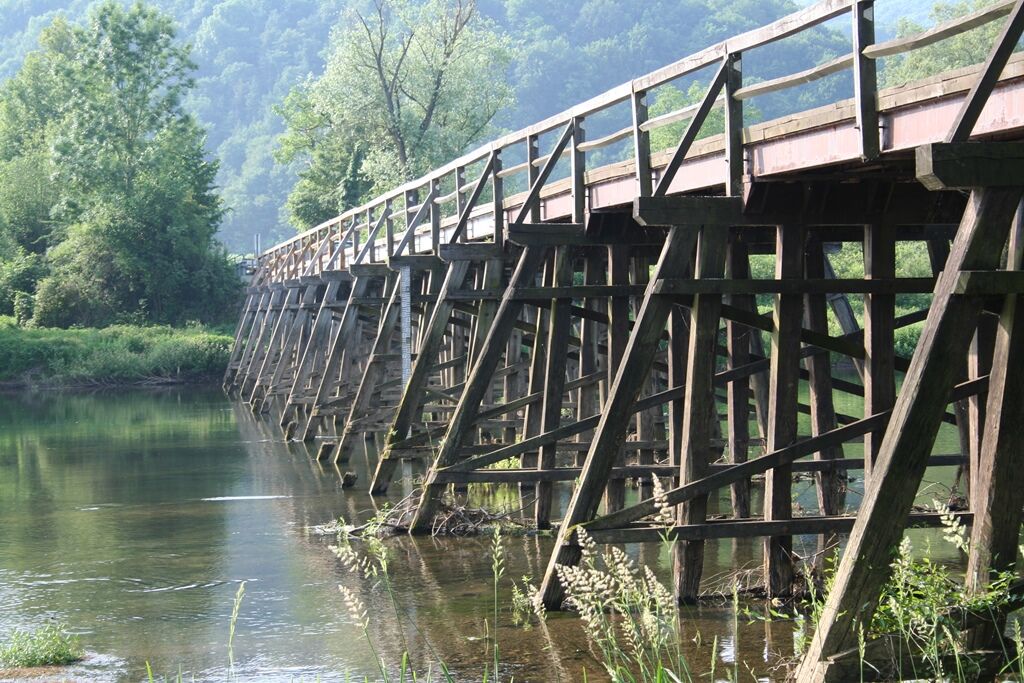
The path over the Brjansky Bridge leads us across the Krka River into our village. The bridge, essentially still wooden, was solemnly blessed in 1866. During World War II, it separated the German and Italian occupation zones, but today it connects us with the world. We are especially aware of this when it is closed due to maintenance work. It has been awaiting renovation for some time; it is passable only for passenger cars.
A stone bridge stands in the middle of the village and represents one of the smaller vaulted bridges with three openings. Limestone from a nearby quarry was used for its construction. Its higher iron content gives it a reddish tint. The watercourse of the torrential stream bends almost perpendicularly at the place where the stone bridge was built and then continues more safely parallel to the road through the settlement.
Simple wooden bridges once led to homesteads along the Sušica stream, which were damaged during the great flood on August 1, 1937. Due to fears of flooding, regulation of the Sušica started in 2006, which resulted in a wider and deeper channel. At that time, PodboÄje received 11 new bridges that, together with the stone bridge, create an exceptional bypass environment.
INTERESTING FACTS
In the past, the bank below the stone bridge was a place for children to play and socialize. They also lit their own bonfire there, as they were not allowed to attend the central bonfire event.
2. Point: FOR EVERY ILLNESS, A FLOWER GROWS – forest by the spring
Whether garden, meadow or forest, spring, summer or autumn, our senses are delighted by colorful flowers or intoxicating scents that attract hungry insects to flowers, which unknowingly enable pollination. Some cannot survive without others, and our task is to preserve biodiversity.
Humans have long used plants both for food and medicinal purposes.
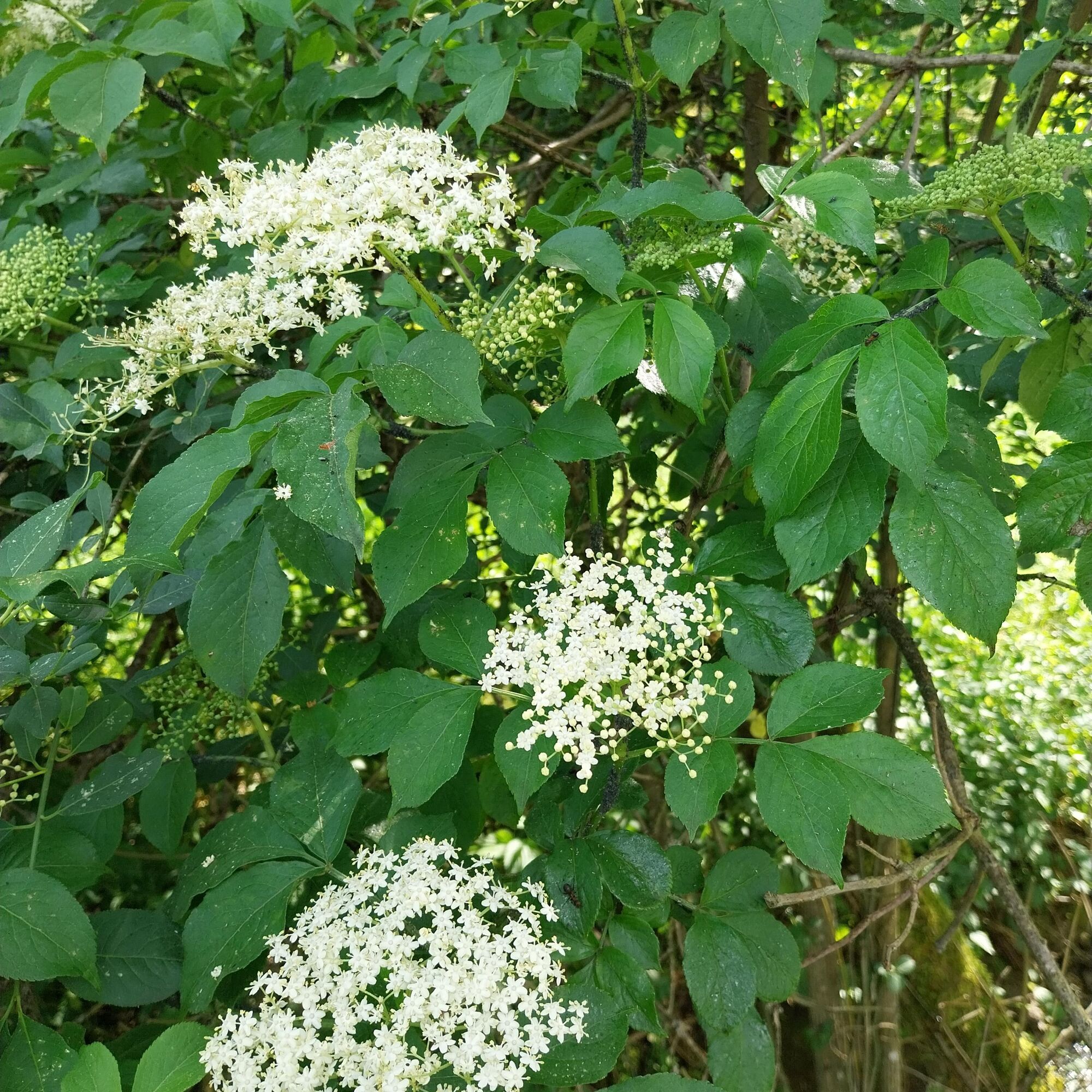
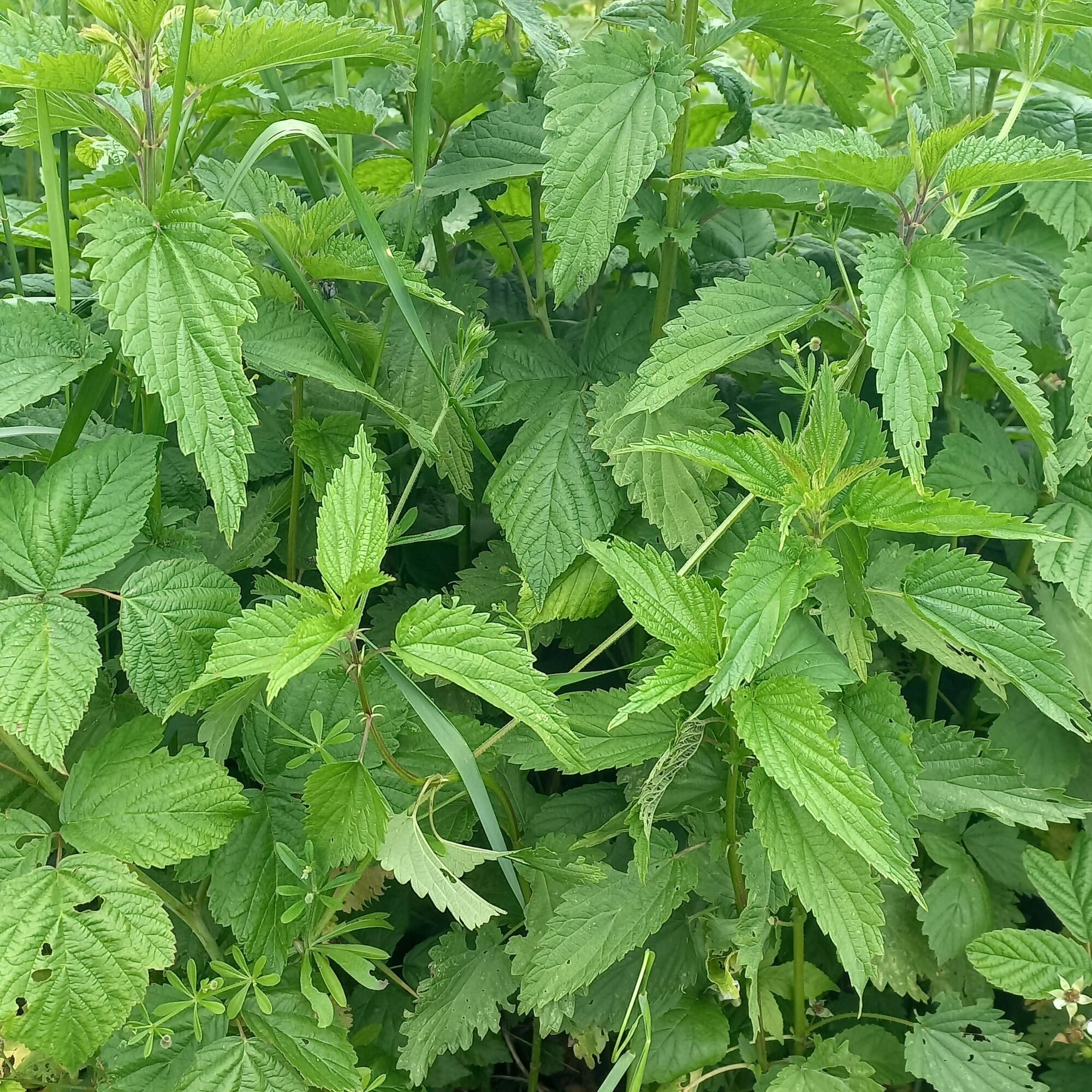
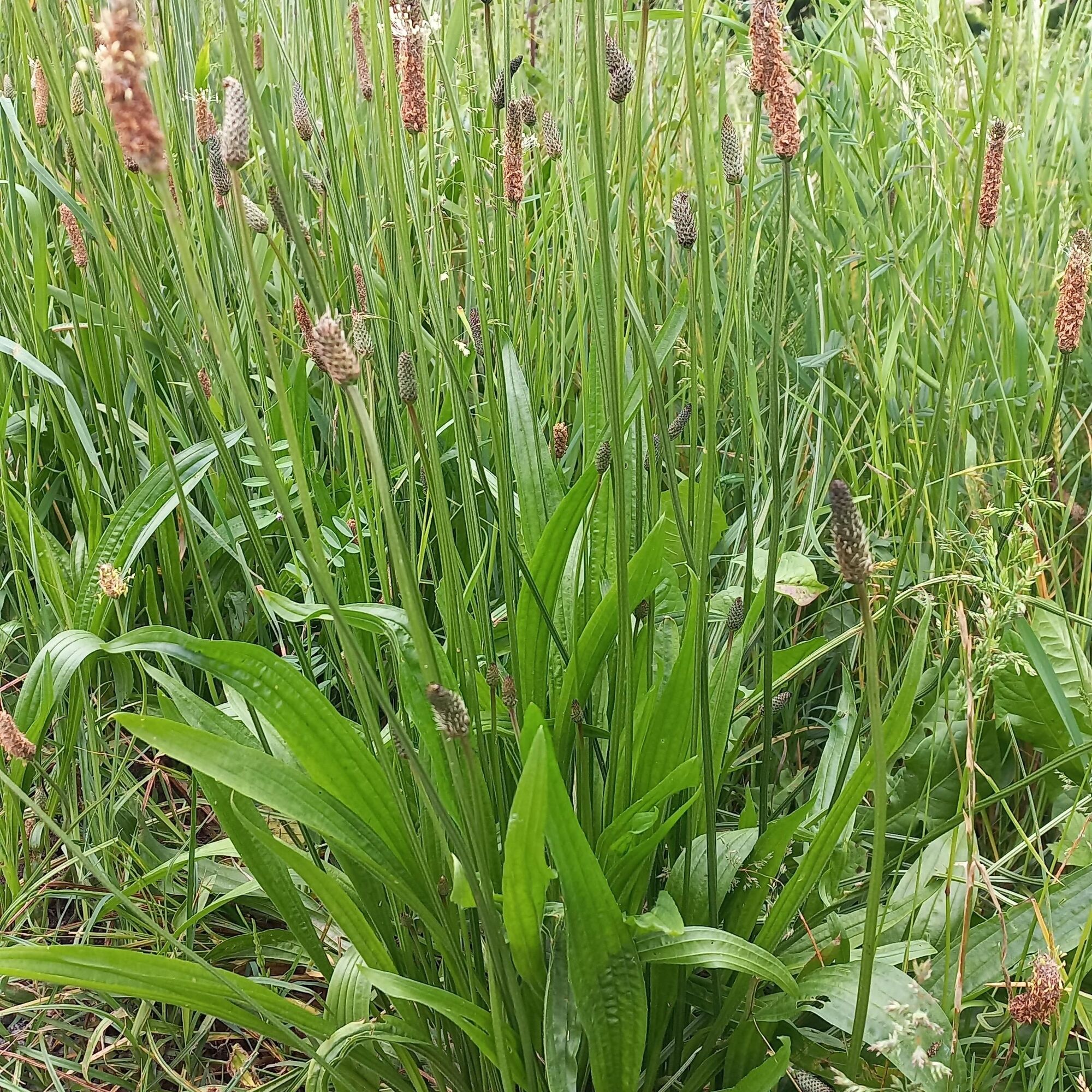
In spring we gather daffodils, dock, violets, dandelions, lungwort, nettles, ramson, elderflower, acacia. In the summer months we find chamomile, horsetail, sorrel, plantain, yarrow, mother’s wort, woodbine, daisies, blueberry and wild strawberry leaves, blossoms of rosehip and chestnut… In autumn, we mainly collect chestnut fruits, blueberries, rosehips.
When harvesting plants, do so thoughtfully – collect only plants you know well, pick as far from polluted places as possible, and never harvest protected plants. Take only as much as you will use and no more than for a year, as herbal effectiveness decreases over time.
INTERESTING FACTS
Older generations knew and used medicinal plants well. Later, only a few preserved this knowledge, as most thought it unnecessary or strange since everything could be bought.
If you were to walk this path 60 million years ago, you would be walking on the bottom of the Pannonian Sea. Today, fossil remains remind us of that time.
3. Point: WHERE THE FOREST MEETS THE VINEYARD – forest edge
Slovenia is a land of forests, and Slovenians are closely connected to forests. It is no different in PodboÄje and its surroundings.
The importance of this complex assemblage of plants, animals, and fungi is remarkable. It provides habitat to 950 plant species, including 71 tree species, is home to 95 bird species, 70 mammal species, 17 amphibian species, and 10 reptile species.
It is a source of oxygen, has a significant impact on air quality, humidifies and cools the air. Forests prevent landslides and erosion; leaf and other plant debris provide food for numerous microorganisms. For many, forests remain a source of income; for occasional gatherers, a rich source of various fruits and berries.
There is also an important social aspect to forests. They are a place for recreation, meditation, and relaxation. With special trees and arranged paths, they are interesting for tourism and have aesthetic, research, educational, protective, and defense significance.
INTERESTING FACTS
The well was a source of drinking water that people fetched while working in the vineyard.
To keep the path paved, vineyard workers used to carry stones every time they went to Old Castle and lay them on the muddiest part of the path.
People knew how to imitate the songs of different birds by whistling, to which the birds would also respond.
Children collected chestnut leaves along the path and wove them into hats.
4. Point: VIEW FAR – view of the Krško basin
We are at a part of our path where the view stretches far around, and the thought goes far into the past.
Old Castle is distinguished not only by a beautiful view but also by its interesting and rich history. The oldest traces lead us to the Hallstatt period (Iron Age in prehistoric times), when a settlement fortified with a double embankment stood here, to which barrows on the southern side in the forest below the hill also belong. This was followed by the Roman period, when a large building was erected within the walls. In the 12th century, an important Spanheim fortress was established due to its strategic location, managed by the Kostanjeviški lords. What makes the fortress so special is that here or in St. Cross there was a mint, making the year 1256 the dated starting point. The fortress was abandoned in the 16th century. Today, a large wooden cross stands on the hilltop, visible already when crossing the Krka River.
Archaeological remains are very diverse and from different time periods – pottery, knives, coins, fossilized berries, arrowheads. The most impressive find is the stone lion, which Alojz GaÄ excavated at the end of the 19th century when cultivating a field. Today the lion's home is the National Museum in Ljubljana, but since 1999 a copy has stood in the square in PodboÄje, guarding the locals.
INTERESTING FACTS
Castle stairs leading to the fortress no longer exist. Local elders used to say where they might have been.
On clear days, the view extends all the way to the Kamnik-Savinja Alps and even to Triglav.
First berries in Slovenia ripen on Mraševsko field.
5. Point: I WILL BUY A HILL – among vineyards
"Whoever is born in our parish is a true merry man, among vineyards and CviÄek one must be like that." This is the message from the song PodboÄje, PodboÄje, which locals consider the anthem of PodboÄje, and the view of the surrounding hills confirms the fact that we are in a land where viticulture has a rich tradition.
In the past, it was said that you were not a true owner if you did not have a vineyard, so there are many small vineyards in this area, around which wine cellars and wine houses were established. Around Old Castle and BoÄje, there used to be about 200 of them. Some have retained their appearance to this day, others have been converted into weekend residences, and some already into residential houses.
Although the number of vineyards has decreased in recent years, vines that bear grapes from which winegrowers produce CviÄek can still be found. The base is velvet black, to which they add blue franklin and three white varieties – royal white, Laški Riesling, and Plavec. Because of its lower alcohol content and pleasant taste, CviÄek holds a special place among wines. Just as Dolenjska is famous for CviÄek, Dolenjska people are known for their hospitality and homeliness.
INTERESTING FACTS
The owner always invites passers-by to a glass of CviÄek saying: "Bal na en glaž," and the housewife offers CviÄek before coffee in her home.
The grade of CviÄek quality among winegrowers goes: "Good, better, best, MINE!"
6. Point: FROGS OR PLUMS, PODBOÄJE OR SAINT CROSS – Žabjek
Just as we followed a diverse landscape on our path, so are the different settlements here. There are 24 in the local community.
Some formed on flatland by water, others on hills, and even higher in the hills. Mainly natural conditions influence their size and shape. Most settlements lie in the lowland zone, where about two-thirds of the population live.
The largest among them is PodboÄje, which has the characteristics of a clustered village with a typical center and homesteads that spread in all directions. In the hilly world, there are some dispersed settlements, and the Gorjanci are also inhabited. Planina, at 675 meters altitude, is the highest located village in the local community.
As elsewhere in Slovenia, the number of inhabitants here is declining. About a hundred years ago, there were 398 in PodboÄje, today 338; in Planina 96, today only 28.
Settlement names are also interesting, but rarely do we ask how a settlement gets its name. Statistics say that motivations for naming are varied. Most place names are derived from personal names or named after saints. The naming of settlements may also reflect the connection of humans to the plant or animal world; some reflect geographical features, others are related to professions and ethnic origins of inhabitants. What about the settlements in our local area?
INTERESTING FACTS
The path under Rebrica was called "Siberia" in winter.
The PodboÄje – Žabjek – Kostanjevica road is called "small road" by locals. It was still used on a gravel surface for cycling to Kostanjevica to lower gymnasium; today it takes us toward vineyards and to the church fair at Slinovce.
7. Point: BUSY AS A BEE – beehive by the school
Slovenian beekeeping tradition is rich and deeply rooted in popular consciousness. Here lives the Carniolan grey, an indigenous Slovenian bee considered one of the most widespread honeybee subspecies in the world. Slovenians have always been good connoisseurs of bees. The most important figure in Slovenian beekeeping is Anton Janša, the first beekeeping teacher at the Viennese court, who in the 18th century laid the foundations of modern beekeeping with his discoveries.
A beekeeper’s work goes all year round. In colder months, the beekeeper checks food reserves and inspects bee colonies. In spring and summer, the most activity happens – finding and marking queen bees, expanding nests to give the queen enough space for laying eggs, collecting pollen, harvesting honey, and combating varroa mites. Winter months are for preparing for the new season.
In the past, honey was mainly used as a sweetener, but today it can be found in many recipes. Honey and other bee products have a beneficial effect on our health and well-being. Honey processing and candle-making are local crafts that have been preserved to this day; painted hive lids are a peculiarity of Slovenian beekeeping.
The mission of educating new generations of beekeepers has been carried out at our school for 40 years. Mentors pass their knowledge and experience to young beekeepers, who thus learn all the beekeeper’s tasks and the importance of beekeeping.
INTERESTING FACTS
The best school snack was half a slice of black bread spread with margarine and honey; today honey is the main star of the Traditional Slovenian breakfast.
Tea was once cooled with CviÄek and sweetened with honey.
To prevent inflammation from a bee sting, place a leaf of lungwort on the sting.
Áno
Light sports footwear and an anorak for wind and rain.
The path is not demanding, but sports footwear is required.
Car: exit Krško from the Ljubljana - Zagreb motorway and immediately right towards PodboÄje and Kostanjevica na Krki
Train to the town of Krško, then local bus to PodboÄje
At the square by the Church of the Holy Cross
Pick up the brochure Pešpoti in PodboÄje at the tourist point.
The path is interesting because while walking, you become acquainted with the forest and meadow populations, the history at the top of the Old Castle, and winemaking on the descent into the valley. We suggest you hire a guide who will illuminate historical and current times.
Take your time and also solve the tasks at the points along the path.
Obľúbené výlety v okolí
-
Uskok heart trail Brežice
svetloTematická trasa 5,73 km -
Cycling trail from Šmarješke Toplice to Škocjan
strednáCyklistika 10,4 km -
Venice Of Dolenjska
strednáMountainbike 60,8 km -
The trail of the Trappists
svetloTuristika 12,1 km -
The Šmarjeta bicycle trail
svetloMountainbike 33,5 km -
Vineyard hills and wetlands
strednáCyklistika 53,0 km -
Gostišče Felicijan - Rondo - Sv. Ulrik - Sv. Kancijan
strednáŠtrkový bicykel 37,4 km -
Krško - Grmada - Planinski hram na Grmadi - Grič
strednáTuristika 11,4 km -
Karlovačka županija - Sveta Gera / Trdinov vrh - Dom pri Miklavžu - Šentjernej
ťažkéTuristika 21,2 km -
Celine - Podulce - Šrange - Krško
strednáCestný bicykel 37,9 km

Turistika a stopovanie

Nenechajte si ujsť ponuky a inšpiráciu na ďalšiu dovolenku
Vaša e-mailová adresa bol pridaný do poštového zoznamu.