



Jewish traces in Görlitz
Fotografie našich používateľov
The settlement of the first Jewish citizens began in 1300. In the course of the 14th century, the Jews were under King John of Bohemia's protection. They registred the first Jewish school in the city book...
The settlement of the first Jewish citizens began in 1300. In the course of the 14th century, the Jews were under King John of Bohemia's protection. They registred the first Jewish school in the city book of Görlitz, founded the Jewish community and finally were expelled from Görlitz in 1389.
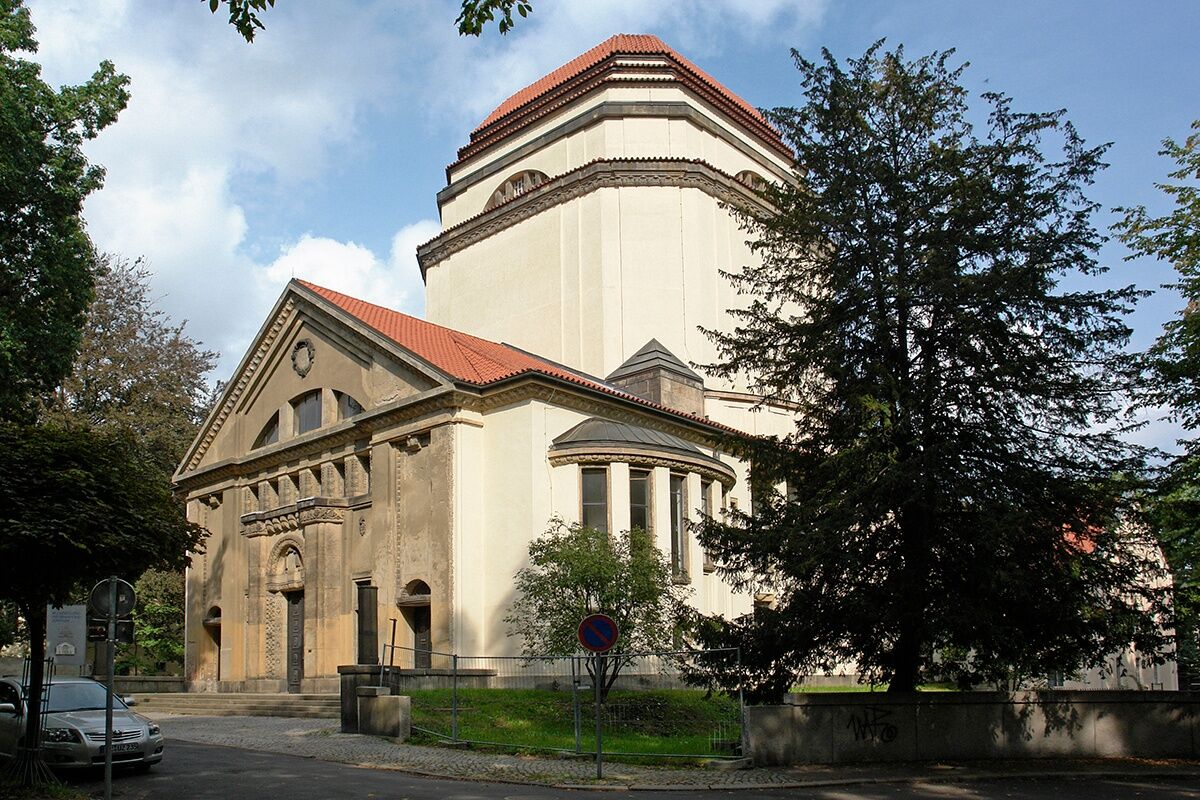
There wasn't a new settlement until 1847. In 1849 the Jewish cemetery in Biesnitz was inaugurated and in 1853 the first synagogue was built in Langenstraße, which was too small for the community soon. In 1909-1911 a large new synagogue was built near the city park by the Dresden architecture firm Lossow & Kühne. In recent years it has been extensively renovated and now serves as a cultural forum.
Unfortunately, there has been no Jewish community in Görlitz since 1945.
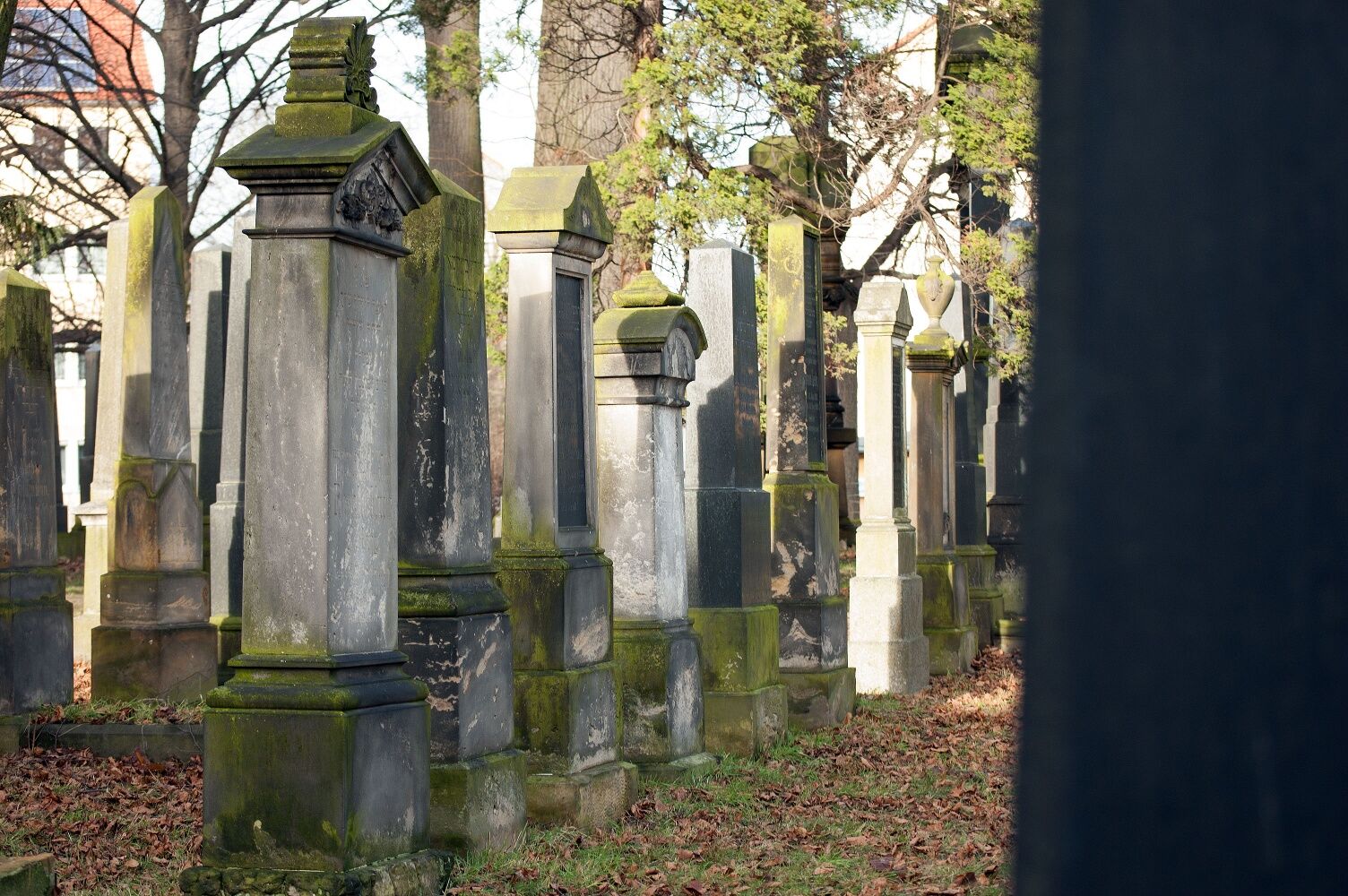
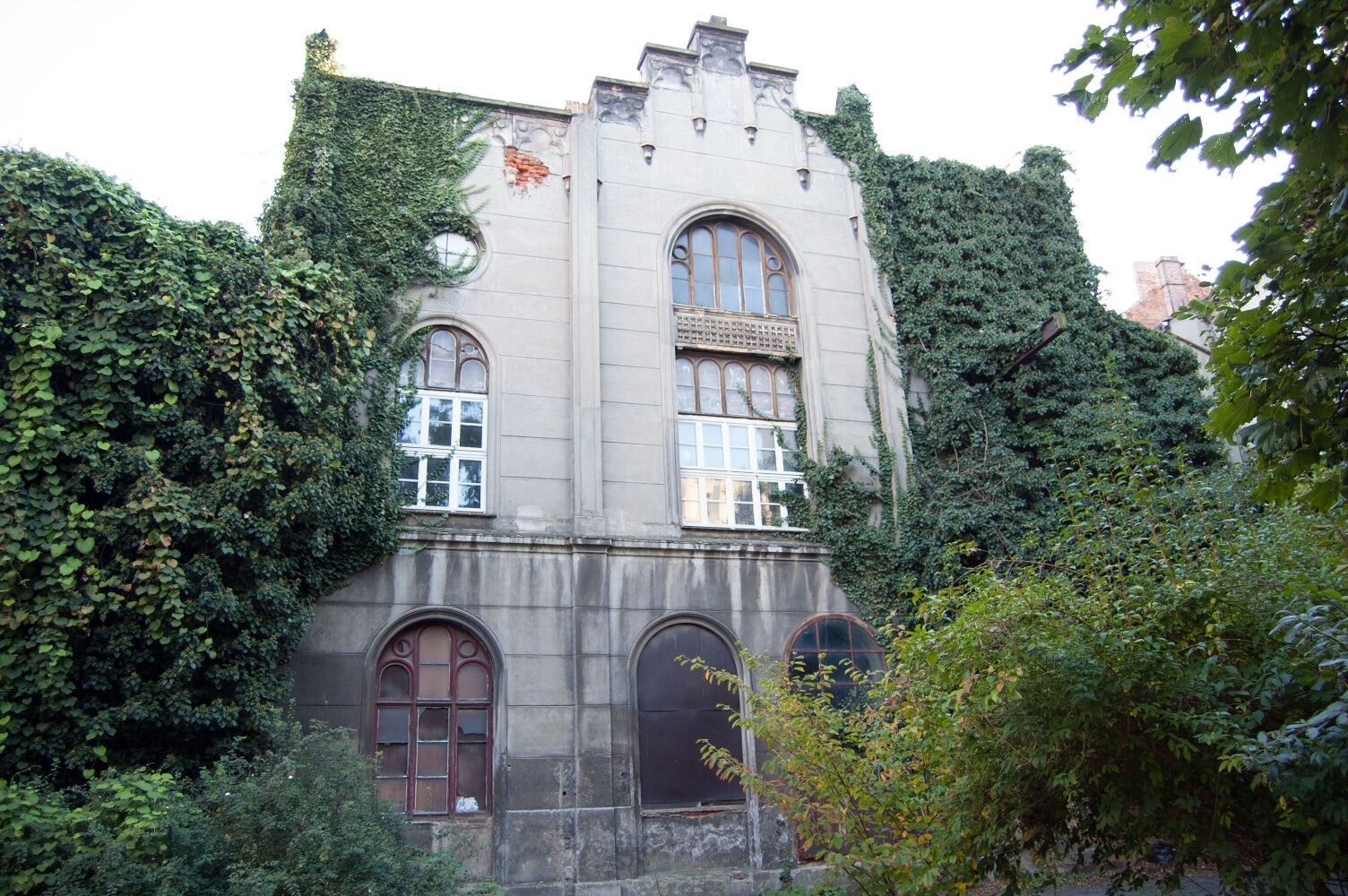
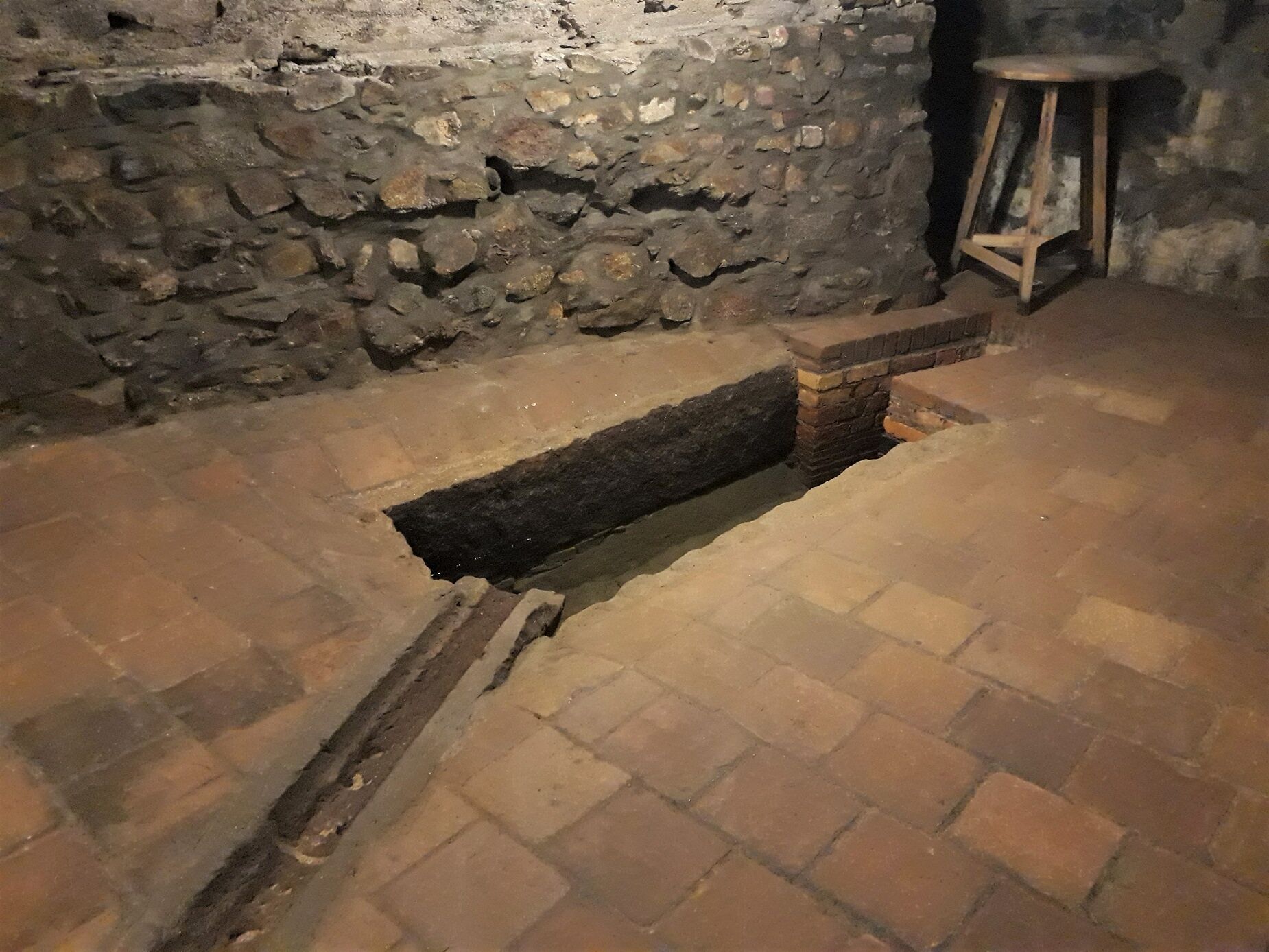
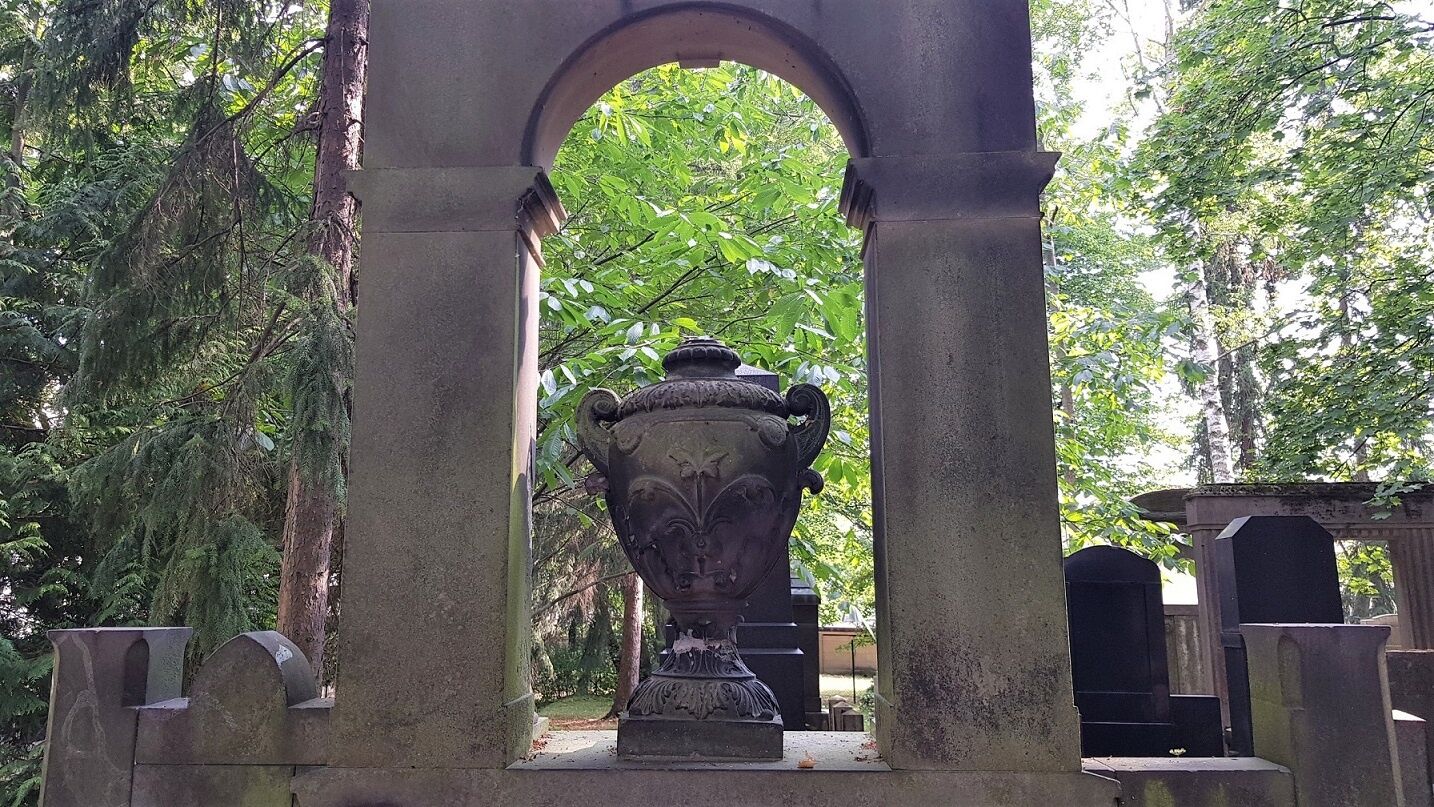
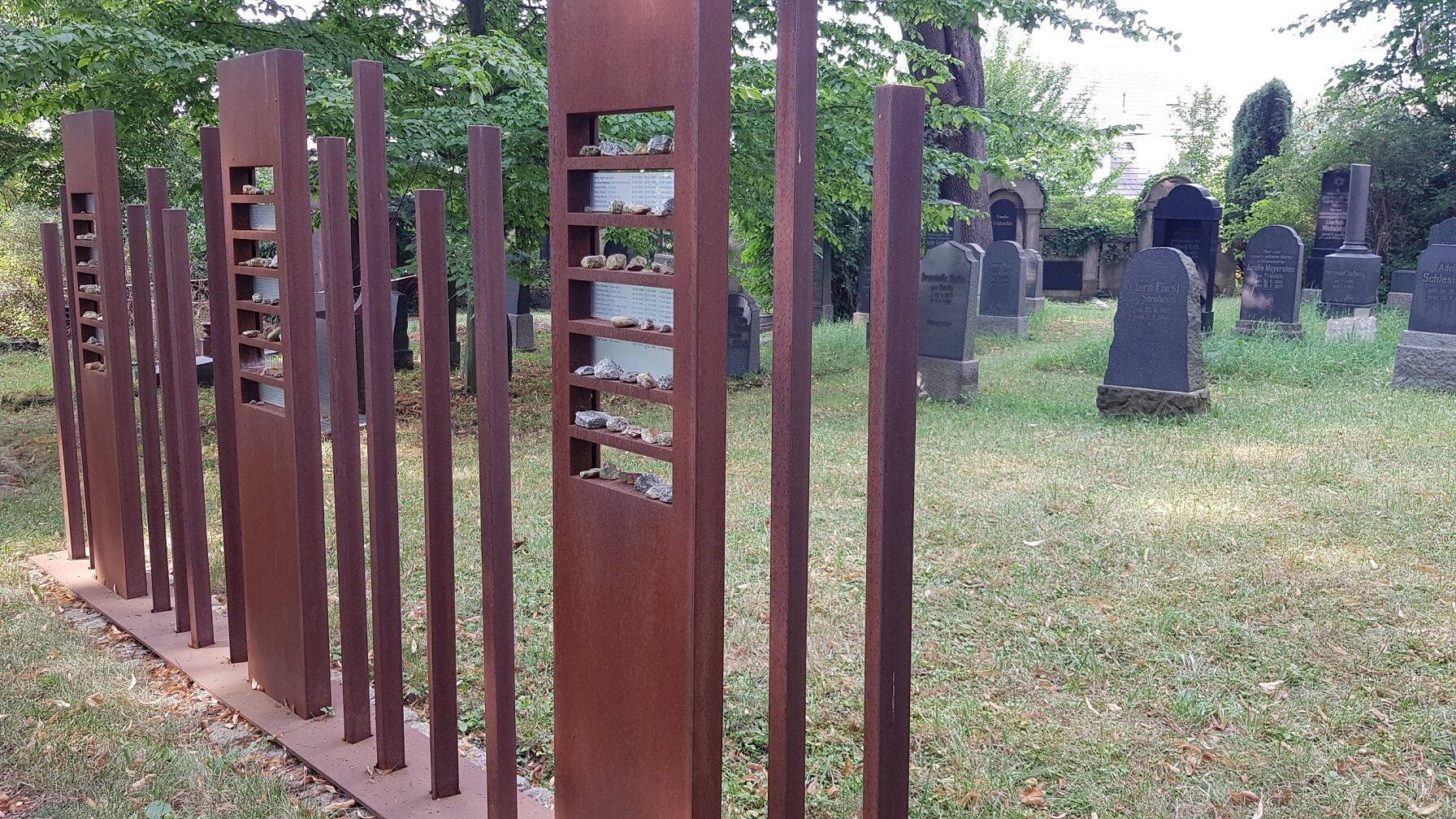
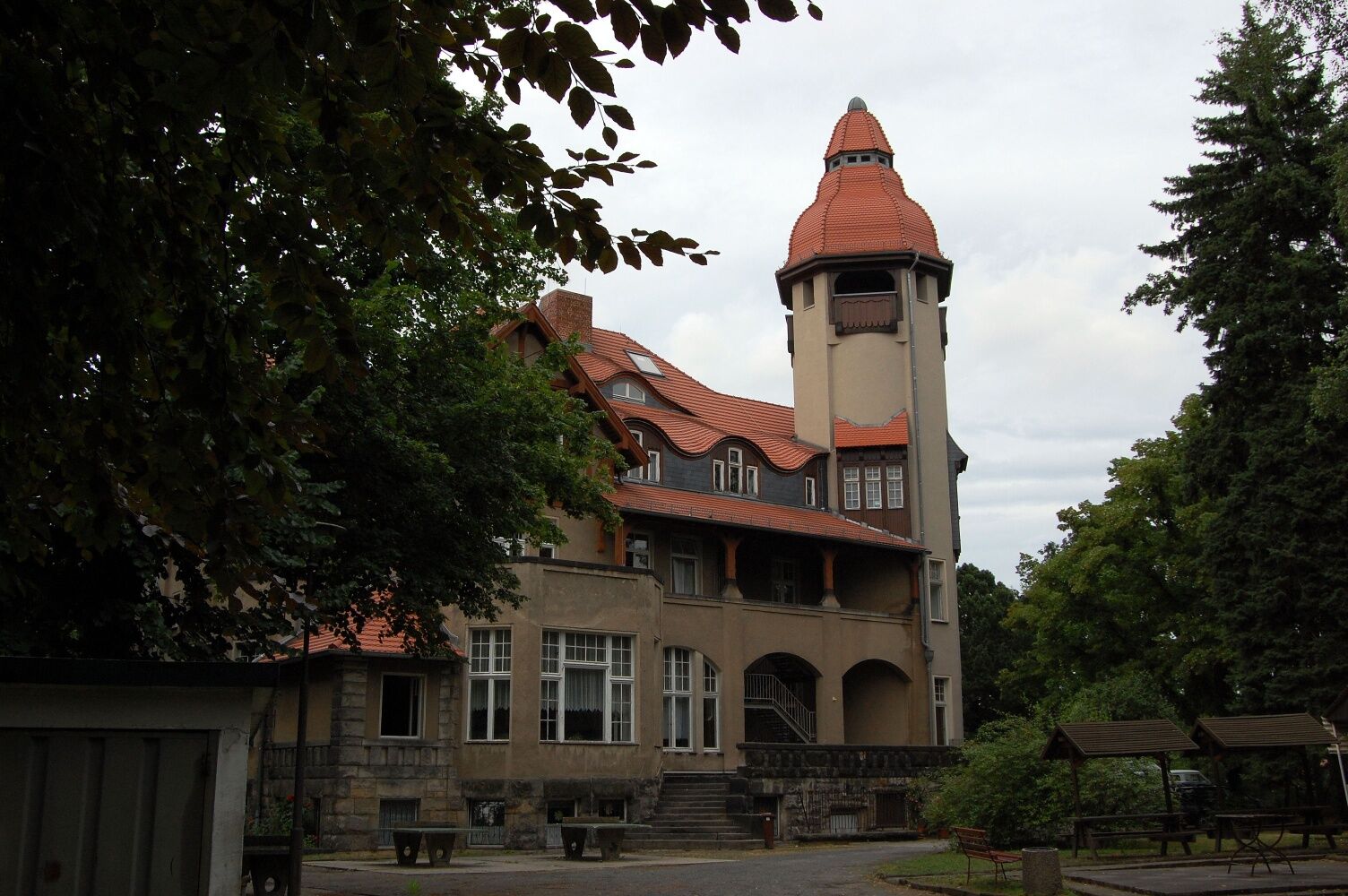
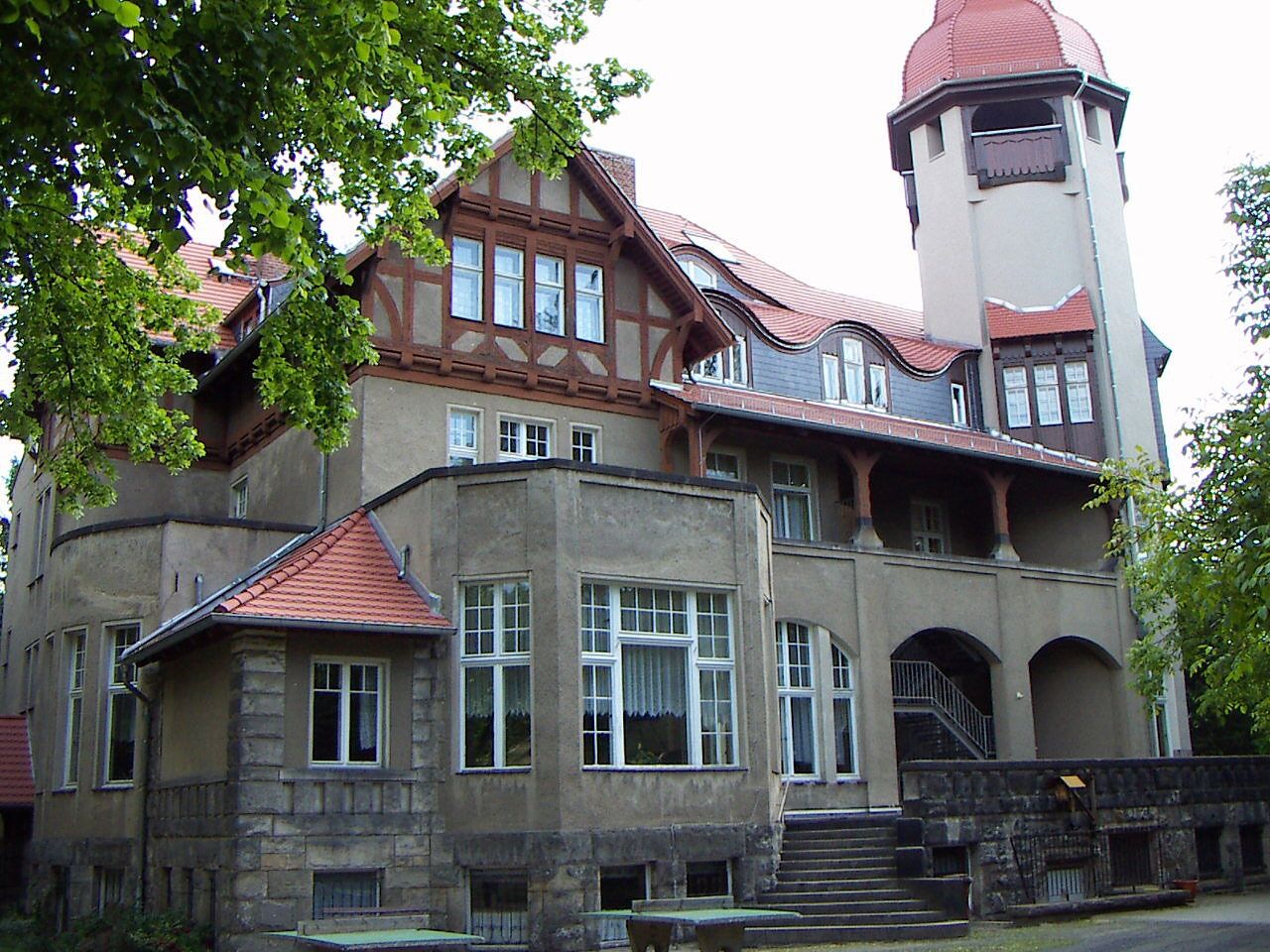

Start the tour in the Görlitz-Information, where you will get additional informative literature and some insider tips. First stop is Langenstraße 24 - the "Literature House Old Synagogue". The Mikveh, your next stop, is located in the cellar of today’s Hotel Paul Otto in Nikolaistraße 5/6. The way leads you via Nikolaistraße to St. Peter's Church.
In the passage to the Vogtshof you will find the first "Stolpersteine" (stumbling stones). So far there are 16 locations, where you can find stumbling stones in Görlitz. These brass stones are there to remind us of the fate of Jewish citizens from Görlitz.
From the Vogtshof walk via Petersstraße, Untermarkt and Obermarkt to Steinstraße. The former "Kaufhaus Totschek" is located here. The clothes shop was owned by the Jewish family Totschek until 1939. Now continue walking via Marienplatz and along Struvestraße to the "Cultural Forum Görlitz Synagogue" in Otto-Müller-Straße.
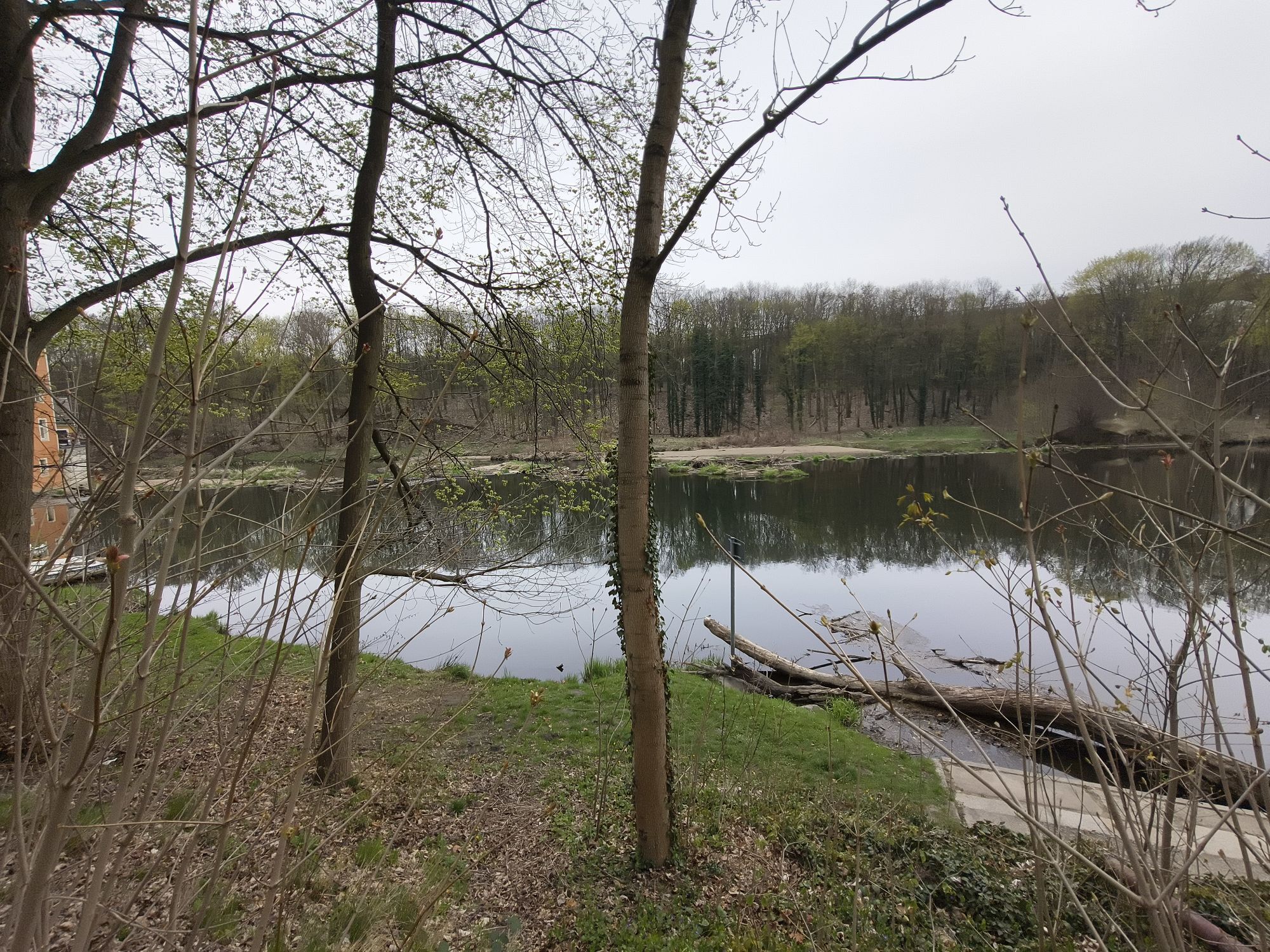
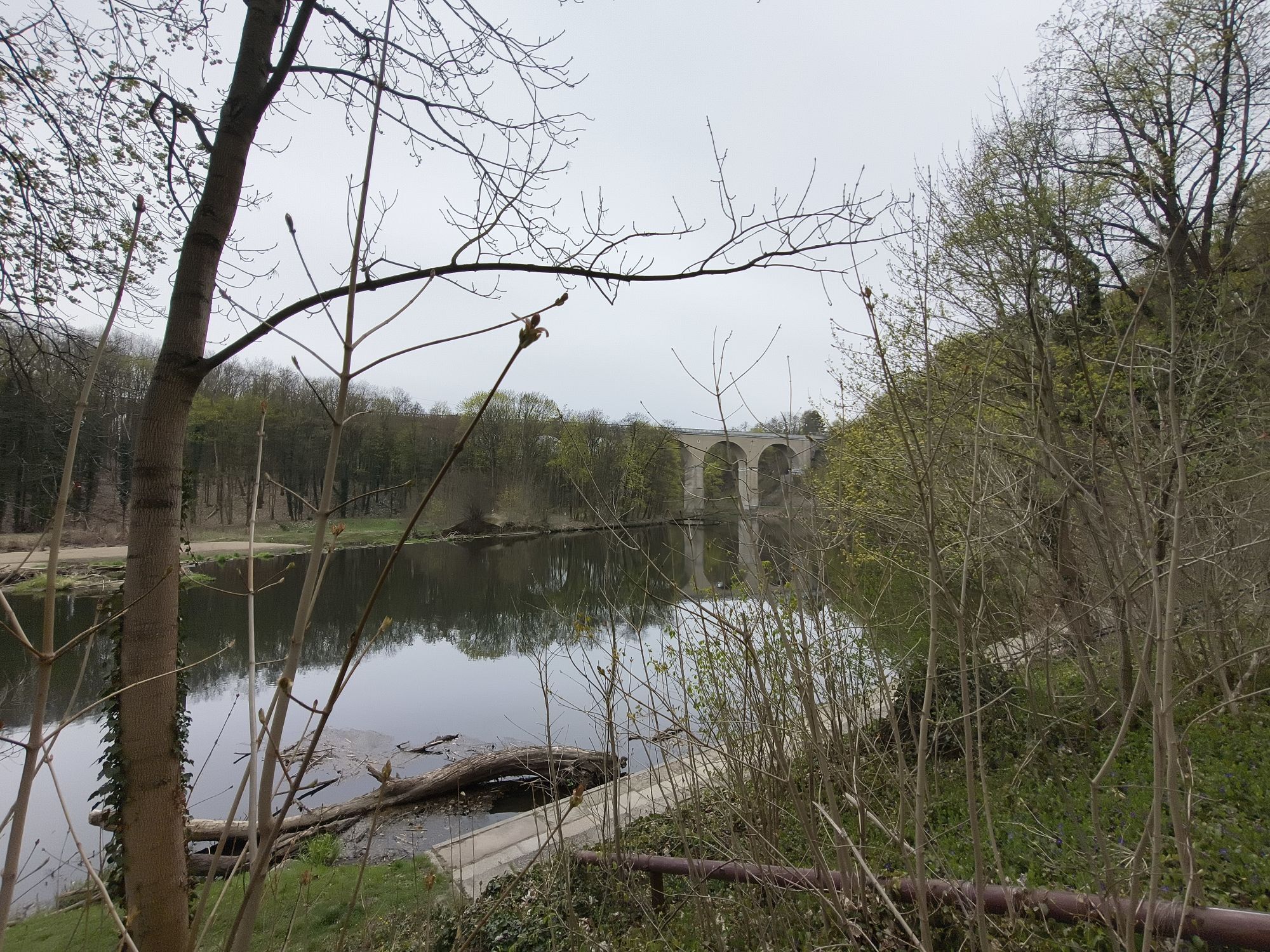
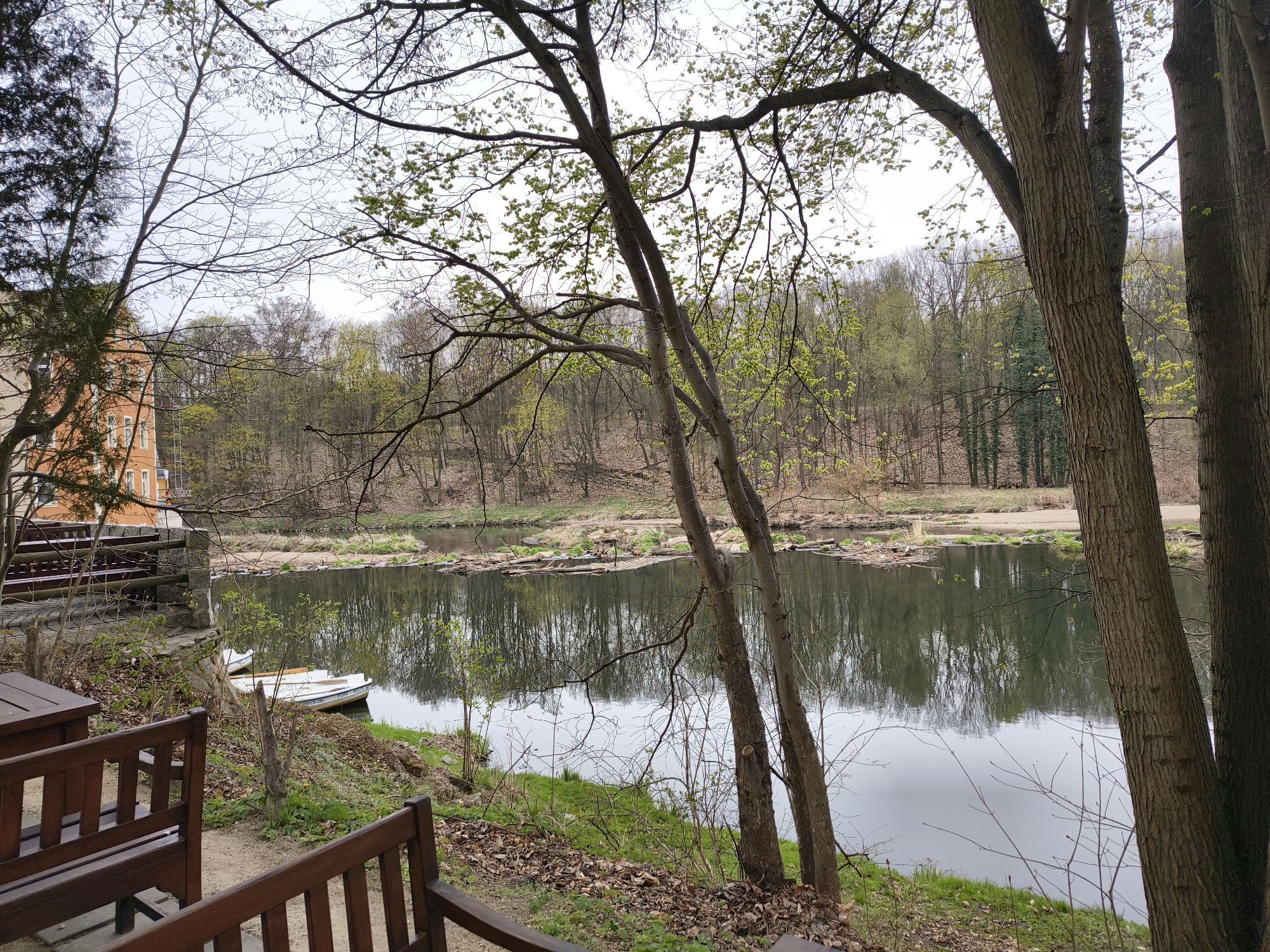
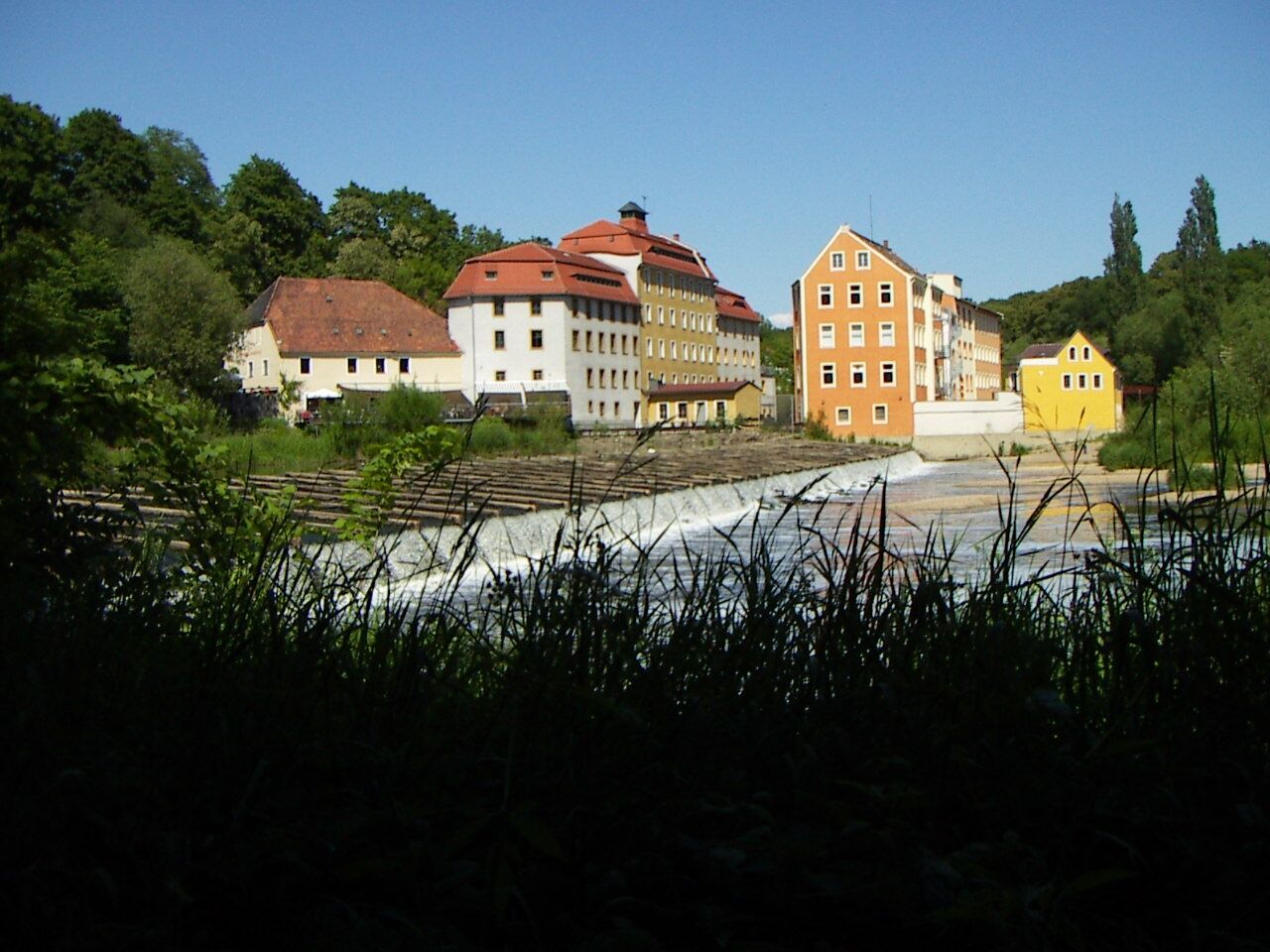
Afterwards walk through the city park and "Park des Friedens" to the Obermühle and the viaduct. Walking through the vineyard area or along Goethestraße you will reach "Villa Ephraim". Martin Ephraim was a Jewish wholesaler for hardware and a patron of art. He had built the villa built at the beginning of the 20th century. Today the villa is one of the most beautiful Art Nouveau villas in Görlitz. From Goethestraße go via Reuterstraße and through the Kreuzkirchenpark to the Jewish cemetery.
From the Jewish cemetery you can take tram line 2 in the direction of Königshufen back to the starting point. For further information: https://www.goerlitztakt.de/de/
Sturdy and comfortable shoes, sun and rain protection, provisions and drinking water, mobile phone
For current information on your arrival to Görlitz:
https://www.visit-goerlitz.com/Anreise.html
Take the tram or bus to Demianiplatz stop. Then walk via Marienplatz and Steinstraße to Obermarkt.
For further information: https://www.goerlitztakt.de/de/
Paid parking is possible at Obermarkt or car park Altstadt.
Among many others, the Görlitz' "Kapelle Bagatelle" is engaged in the musical preservation of Jewish tradition. You can find samples of their concerts in the literature house "Alte Synagoge" on Youtube.
Získajte prehľad
Vždy naživo na mieste s viac ako 9 500 webovými kamerami. bergfex Ako používateľ Pro si teraz môžete pozrieť príslušné webové kamery pre mnohé zájazdy v aplikácii zájazdy z. Môžete si tak priamo prezerať aktuálne podmienky.
Obľúbené výlety v okolí
-
4,3
Königshainer Berge
svetloTuristika 4,48 km -
A bicycle tour for families at Berzdorf Lake
svetloCyklistika 15,6 km -
Walking-tour around Berzdorf Lake
strednáTuristika 17,5 km -
Tour 16: Around Berzdorf Lake (Berzdorfer See)
svetloCyklistika 21,9 km -
Bicycle tour along the Oder-Neisse cycle path and around Berzdorf Lake
svetloCyklistika 24,2 km -
Great Mill Tour along the Schöps and Neisse Rivers
ťažkéCyklistika 57,5 km -
The legendary city of Görlitz
svetloTuristika 1,80 km -
Bedeutende Persönlichkeiten der Stadt Görlitz
svetloCyklistika 17,8 km -
Via Sacra Radpilgerroute von Löbau nach Görlitz
strednáCyklistika 35,4 km -
Via Sacra Radpilgerroute von Görlitz nach Zittau
strednáCyklistika 42,3 km
Turistika a stopovanie

Nenechajte si ujsť ponuky a inšpiráciu na ďalšiu dovolenku
Vaša e-mailová adresa bol pridaný do poštového zoznamu.